
It’s tempting to start sledgehammering your way through gutting a Charleston bathroom. But exercise some restraint before you start, because you may need to check your property’s historic status first. In historic locales like Charleston, that step can change the entire plan. Historic home renovation isn’t just a buzzword realtors use to describe ancient homes in need of some TLC. It’s a genuine process can involve reviews done by the city board since 1931.
What Historic Home Renovation Means in Charleston
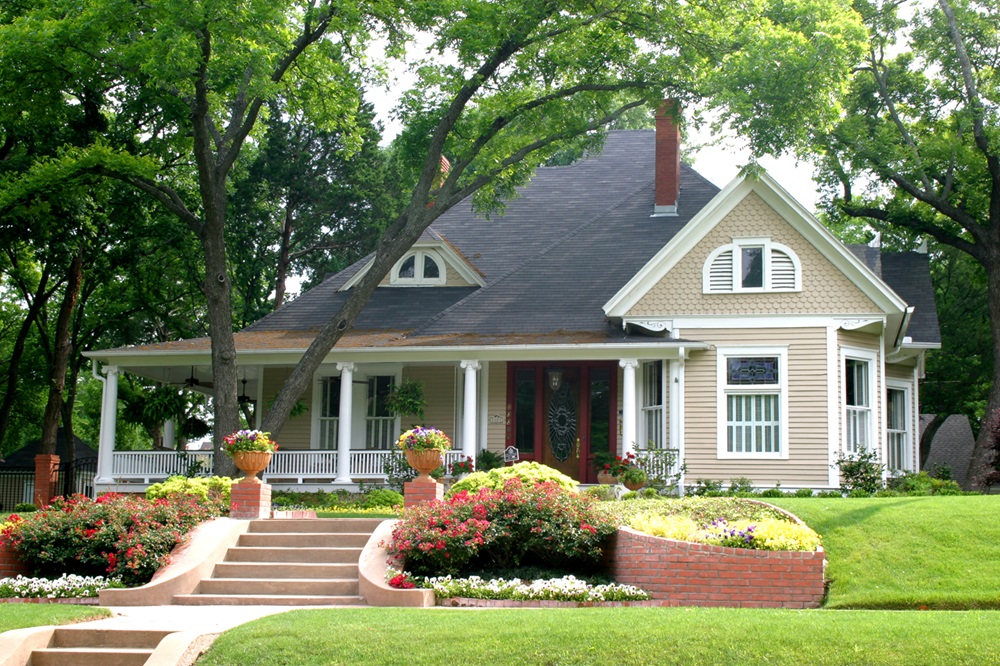
Charleston’s Board of Architectural Review, or BAR, exists to protect the character of the city’s historic districts and landmark properties. It reviews new construction, changes, and renovations, but only the parts visible from the public right-of-way. Any plans for a historic home renovation should take this into account.
Why the Board of Architectural Review Exists
BAR’s purpose, written into the city’s own zoning ordinance, is to preserve buildings and areas that reflect Charleston’s history and character. Its reach also extends beyond the historic districts to properties on the city’s Landmark Overlay list.
Before drawing up any plans, check the property’s historic district and Landmark Overlay status first. Skipping that step is an easy mistake. It’s the same principle behind handling other permits early in a renovation timeline, before the first demo day.
A contractor with experience in Charleston’s historic districts will often flag it in the first conversation.
Other exterior projects like porch construction run into this same review rule too, not just kitchen and bathroom work. A homeowner in a historic district ends up needing this approval regardless of the room or system they’re working on.
What Actually Needs BAR Approval and What Doesn’t
A hearing isn’t required for every single little job inside a historic district.
BAR reviews exterior changes and new construction, along with teardowns of buildings 50 years or older south of Mount Pleasant Street. Any teardown within the Old and Historic District gets reviewed regardless of age.
General interior work usually doesn’t trigger those review requirements.
Staff-Level Review vs. Full Board Review
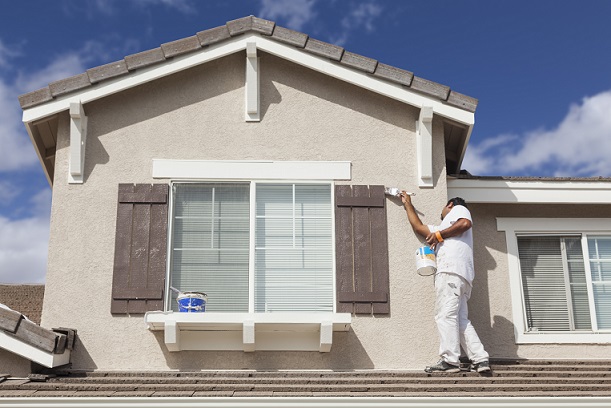
Most minor exterior changes get reviewed by planning staff instead of presented to the entire Board. Painting, small site work, and straightforward repairs fall into this group.
Staff decisions are posted by the City and can be appealed within 15 calendar days.
Bigger changes, including work that alters the look of a facade, go to the full Board instead. Projects requiring Board review go to either BAR-Large or BAR-Small. BAR-L generally meets monthly, while BAR-S generally meets twice a month.
How This Plays Out in a Kitchen or Bathroom Remodel
A kitchen or bathroom remodel that stays entirely inside the walls doesn’t usually need BAR review at all. New cabinets, new tile, updated plumbing, none of that crosses into review.
BAR’s reach kicks in when the work changes something visible from the street.
When an Interior Remodel Still Triggers BAR Review
Enlarging a window brings more light into a bathroom, but if that window faces the street, that’s BAR territory. So is adding a dormer to fit a second full bath upstairs.
Swapping an exterior door as part of a kitchen job works the same way, even if it began as interior work.
Bathroom work in Charleston’s older neighborhoods often runs into this exact case. Older homes frequently need layout changes to match modern bathrooms, but their original floor plans from last century never accounted for those needs.
The same issue can come up when a kitchen needs a wall moved. The new layout might open an exterior-facing wall, say, for a window over a new sink.
Once the change becomes visible from the street, it goes through the same review as other exterior work, no matter how much of the project stays inside.
How Much Longer Does BAR Review Add?
Staff-level approvals for a historic home renovation depend on a number of factors, but are comparable to the standard permit timeline for a non-historic home.
A project that needs full Board review takes longer, because the board only meets once a month. So you’re at the mercy of that monthly schedule.
That means a missed deadline can push a start date back a full month. Avoid this by planning your historic home renovation timeline around the BAR’s meeting schedule instead of the date you’d prefer it to start.
Historic Home Renovation Costs in Charleston
Historic renovations can cost more for several reasons, including specialized materials, repair methods, design requirements, and additional review.
BAR’s standards often require them on anything visible from the street.
Interior work is different. Cabinets, tile, and fixtures inside a kitchen or bathroom aren’t subject to those material limits at all.
FAQ: Historic Home Renovation in Charleston
Does painting your house require BAR approval?
For properties under BAR jurisdiction, exterior painting is commonly handled through staff review rather than a full Board hearing.
Does a kitchen or bathroom remodel ever need review if nothing changes on the outside?
No. The project just needs to avoid two things: anything visible from the street, and any teardown. Meet both conditions, and the project falls outside BAR’s reach.
What happens if someone renovates without getting approval first?
A city order can require the work to be undone or brought up to code after the fact. That costs far more than getting the Certificate of Appropriateness before starting. It can also refer public safety problems directly to the city’s building official.
Finding a Contractor Who Actually Knows This Process
A contractor who hasn’t worked in a historic district before can misjudge which parts of a project need review. What sounds like a small mistake can delay the project by weeks or months.
Experience with Charleston’s historic districts is one of the clearer signs that a contractor understands the process. It shows they’ve been through it, not just heard about it.
The same principle applies outside Charleston. In any town with historic-district rules, familiarity with the local review process is more useful than guessing after plans have already been drawn.
The Question to Answer Before Plans Are Final
For kitchen and bathroom work, the practical dividing line is visibility. But it never hurts to check whether the property lies in a historic district or Landmark Overlay or whether staff or full board review is needed.
New cabinets, tile, plumbing, and other interior changes can stay outside BAR review. Enlarge a window, add a dormer, replace an exterior door, or otherwise change what can be seen from the street, and the project moves into a different process.
That distinction is worth settling before the floor plan is finished, not after the renovation is ready to start.