
Now that storm season has mostly come and gone the conversation around the best time to buy a generator shifts. Just like waiting for that first storm, waiting for that first cold snap to think about a generator is a common mistake. All the good installers fill their schedules quickly, and this year, the units will cost much more too.
The best time to buy a generator is before the demand spike, not during it. Prices, schedules, and stock all get tighter once the first storm knocks out power for a few thousand homes.
The Best Time to Buy a Generator
Late summer through early fall is the real window. Installers still have open slots and popular models are easier to find. Permit offices also aren’t backed up with urgent requests from people who just lost power for a week.
But everyone and their mother panics and wants a generator once the first hard freeze or major storm hits. Lead times on standby units can stretch from a few weeks to a few months, and installers start putting emergency calls first, ahead of new installs.
Why Generator Prices Are Higher This Year
Tariffs on Steel, Aluminum, and Copper
Generator frames, engine blocks, and internal wiring are, in general, made up of mostly steel, aluminum, and copper. All three are affected significantlt by the current tariffs. Section 232 tariffs on steel and aluminum have been in place since 2018. Copper tariffs came later, through their own separate Section 232 action that first took effect in August 2025.
By 2026, joint presidential proclamations had folded all three metals into the same 50 percent tariff framework, according to a Congressional Research Service report on the policy. A meaningful share of these metals and raw materials are imported by generator manufacturers. So when the tariffs on these materials go up, the cost of building the unit follows. And the price you pay from the dealer follows after that.
What That Means for a Finished Generator
Higher material costs don’t stay with the manufacturer. Raising the price of the finished unit is the normal way that cost gets passed on to the buyer, the same as it would with any other tariff on a manufactured good. This is why the best time to buy a generator keeps getting earlier each year.
But exactly how much does all this political theater add to generator costs? It’s hard to quantify; exact amounts are determined by the manufacturer and unit. The fact of the matter remains: material costs are rising, and so will the list prices.
Portable vs. Standby: What You’re Really Buying
A portable model costs less upfront and runs a handful of circuits through extension cords or a manual transfer switch. It needs to be set up, fueled, and started by hand every time the power goes out.
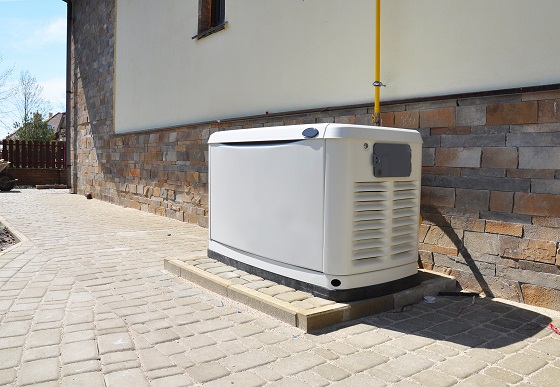
A standby model costs more but starts on its own within seconds of an outage. It ties into the home’s electrical system and often runs on natural gas or propane instead of gasoline that has to be stored and rotated.
Sizing a Generator for Your Home
Bigger isn’t always better. A generator sized well above what a home draws costs more upfront and burns more fuel keeping itself running.
The right size has more to do with your home’s circuit configuration than how many square feet it occupies. A generator that only needs to run a furnace, a few lights, and a refrigerator is a modest purchase. Central air and a well pump push that number up fast.
What Installation Really Adds to the Cost
A generator is only part of the total bill. On an older electrical system, the panel can become the bottleneck, so a standby project may include panel upgrades for Union NJ homes before the generator can be tied in safely.
Frequent tripped breakers before a generator project starts are another reason to check the existing electrical system first. They’re among the signs you need an electrical panel upgrade, and adding a larger generator will only exacerbate an aging panel’s problems.
Buy Before the Storm, Not During It
Winter storms are one of the main reasons homeowners end up shopping for a generator in a panic. Installing in October means the unit can already be in place and tested before the first serious outage.
For anyone thinking about surviving winter storms with a backup generator, that timing counts for more than ordering once the power is already out.
Homeowners planning other exterior work this season have another reason to think ahead. Knowing what to do first in exterior remodeling projects can mean one trenching job or one electrician visit instead of two separate ones later.
Generator Safety Basics Before You Plug Anything In
The Consumer Product Safety Commission warns that a generator run indoors, in a garage, or near an open window can produce dangerous carbon monoxide levels. That can happen within minutes. Every portable generator should run outdoors, well away from doors and windows.
A generator connected to household wiring without a proper transfer switch can also backfeed the power lines. That’s dangerous for utility workers repairing the outage. That risk goes away with the right transfer switch products, installed by a licensed electrician.
A dealer that has been in the business for decades has seen most of the ways a generator project can go wrong. More detail is available about Volpe’s three generations of electrical experience, which gives buyers context for how long the company has been working in the electrical field.
Common Questions About Generator Timing
Will generator prices come down once the tariffs change?
Possibly, but tariff policy has shifted several times in recent years, and makers rarely lower prices quickly once they’ve moved them up. Waiting for a rollback is a gamble, not a plan.
How long does a standby generator installation usually take?
A straightforward installation on an existing panel often takes one to two days. Anything requiring a panel upgrade or a gas line extension can add a week or more.
Do generators need a specific fuel type to qualify as a home upgrade?
No. Natural gas, propane, and gasoline models are all common. Available fuel at the house decides it, not any upgrade rule.
Best Time to Buy a Generator: What to Do This Fall
Prices are higher than last year, and they’re unlikely to drop before winter. That’s why people are placing Generac orders now instead of waiting on a rate change that may not come.
Getting a quote before the first cold snap still gives a homeowner access to an open install slot and a full panel inspection. The generator can be installed and ready long before the power goes out.
Sources
U.S. Consumer Product Safety Commission: Portable Generator Safety Alert
Congressional Research Service: Section 232 Tariffs on Steel and Aluminum