
Garage door seal problems can rear their ugly heads at any point, but they can become a real pain if you don’t fix them before winter. Always check the seal, the little rubber strip at the edges of the door, first. Then move on to the rest of the door, including the tracks, concrete, and how it behaves when opening and closing.
Start With the Bottom Corners
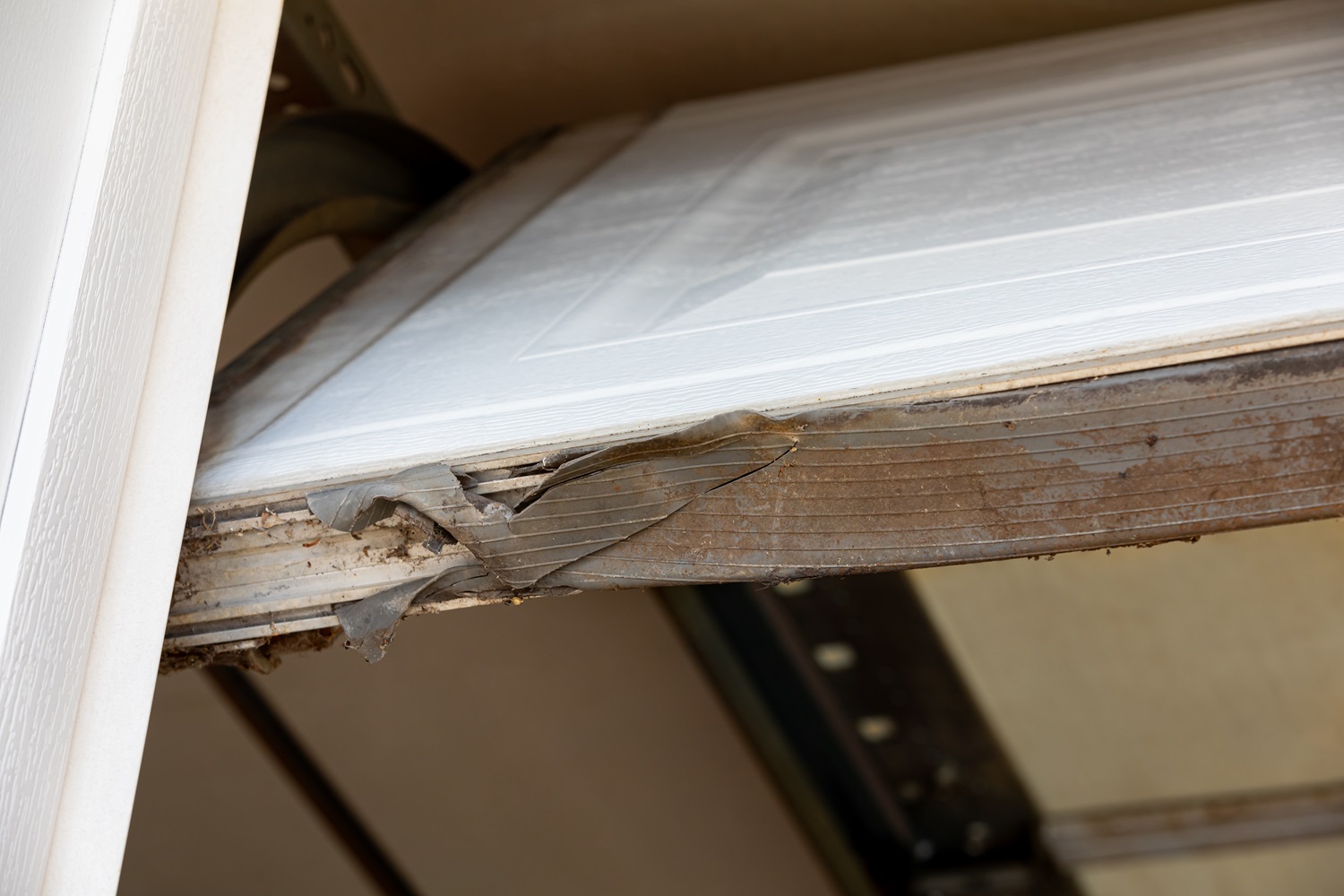
Most sectional garage doors have a flexible rubber or vinyl seal across the bottom panel. On steel doors, it usually slides into a metal channel called a retainer. Every time the door closes, the seal compresses against the ground, causing wear and tear.
Sloped floors compound that wear and tear, because the seal might press firmly against the high side but have trouble reaching the lower side. If the gap changes as the door moves, a technician doing a garage door inspection can find the cause. The problem may be the seal, the floor, or the door’s alignment.
A Flashlight Can Show Where the Air Gets In
Wait until dark, close the door, and turn off the garage lights. Have someone outside sweep a flashlight across the bottom edge while you watch from inside. You shouldn’t see any light from the other side, and if you do, there’s an opening for the cold air to seep in.
Check the exposed rubber with the door closed. If the seal feels stiff, has cracks, or stays permanently flattened, it’s likely not compressing enough when it hits the floor. Damp concrete after rain, or leaves collecting in one corner after windy nights, points to a gap there. Mice can squeeze through an opening about a quarter inch wide, so a torn corner may be enough to let them in.
Cold Weather Makes a Worn Seal More Noticeable
Rubber and vinyl stiffen in low temperatures, which means material that compressed easily in warm weather may have a harder time when it gets cold out. A crack near the edge can also spread against rough concrete. The floor changes as well. Freeze-thaw movement can alter how the driveway apron meets the garage slab, opening daylight under a door that sealed fine in September.
When the Door Freezes to the Concrete
After a wet afternoon and a freezing night, water pooled along the threshold can bond the bottom seal to the floor. A stuck door puts strain on the lift cables and torsion springs that support its weight. If the opener strains but the door doesn’t lift, stop pressing the button before it tears the rubber from its retainer.
Use a plastic scraper, not boiling water (which can refreeze and make things worse) to loosen the ice. If the door stays stuck or feels heavy after the ice thaws, have it inspected before using it again. Drainage belongs on your fall exterior checklist if runoff keeps flowing toward the garage.
Fit the New Garage Door Seal to the Existing Retainer
Garage door bottom seals are not interchangeable. Many steel doors use a retainer with two narrow channels, and the rubber’s edges slide into them. Common profiles include T-style ends, round beads, and J-style edges. A seal that doesn’t fit its retainer will come loose much more easily.
Before looking for a new seal, take pictures of the old one and a piece of it with you to make identifying the right seal easier on yourself.
If new rubber will not stay in place, look at the retainer. The channel itself might need repairs before the new seal can be installed. Pinched channels can stop a seal from sliding through, while corrosion can leave the metal too weak to grip it.
A bulb-style seal can absorb modest unevenness in the slab. Where rain runs toward the door, a threshold seal glued to the concrete gives the rubber a raised edge to close against.
Is Replacing a Bottom Garage Door Seal a DIY Job?
For a balanced door with an undamaged retainer, replacing the bottom rubber is often doable with some basic tools. Manufacturer instructions typically describe sliding the old seal out through the end of the retainer, cleaning the channel, and feeding the replacement through it. A little soapy water helps the rubber slide. On a wide door, one person guides the rubber while another pulls it along.
Always disengage the opener and clamp the raised door before doing this kind of work. Garage doors are deceptively heavy, and terrifying accidents can happen when you don’t take the proper precautions. If you can’t safely lift the door, call a technician. Disconnecting an opener does not remove the tension stored in the springs. Never loosen the bottom roller brackets, lift cables, or spring hardware while replacing your garage door seal.
Afterward, close the door carefully and check that the new rubber compresses against the concrete without keeping the door from closing.
How Much Does Garage Door Seal Replacement Cost?
HomeGuide’s February 2026 weatherstripping cost guide puts bottom-seal material for a typical single garage door at about $15 to $30. For professional work, it lists garage door weatherstripping, materials and installation included, at:
- Single-wide garage door: $45 to $100
- Double-wide garage door: $80 to $180
These are general ballpark figures that should be used for planning, not exact guaranteed pricing. A technician’s minimum visit charge, the seal profile, and the retainer’s condition can all change the total. Ask whether a quote covers only the bottom rubber or the side seals and adjustments too.
Side Seals Cannot Fix a Crooked Door
Weatherstripping along the sides and top should make light contact with the face of the closed door. A flap that barely touches lets air around the edge, while one pressed too tightly creates friction. The sun can also bake south- and west-facing trim into brittle briquets.
Gaps that widen toward the top can indicate shifted rollers or bent tracks. Once a garage door has come off its track, it needs mechanical repair before new weatherstripping can seal the opening. Loosening the tracks or brackets to make the rubber fit only adds to the problem.
Retest the Opener After Installing New Rubber
A fresh garage door seal is usually thicker than the flattened one it replaces. The Door and Access Systems Manufacturers Association recommends testing the automatic reversing system monthly and after any repair. A thicker seal changes where the door meets the floor, so the opener may stop short or reverse early.
Lay a 2×4 flat in the center of the door’s path and close the door with everyone clear. It should stop and reverse when it touches the board. Next, interrupt the photo-eye beam with an object while standing clear. The door should not close normally.
Don’t raise the opener’s force setting to push past a new seal, which DASMA warns against. If the door fails the test or keeps pressing against the floor, a technician can determine whether opener service is needed. Until then, stop using the automatic opener.
Common Garage Door Seal Questions
How long does a garage door seal last?
There is no single interval for every door. Sun, frequent use, road salt, and ice all wear the rubber down. A sheltered, lightly used door can keep its seals far longer than one facing direct afternoon sun. Replace the seal when the rubber cracks, stays flattened, or leaves gaps after the door closes properly.
Will a thicker bottom seal fix an uneven garage floor?
It may help when the low spot is shallow. Lay a straightedge across the concrete where the door closes to see how far the floor drops. A bulb seal can cover a modest dip, but a cracked or settled slab may need repair. Thicker rubber will not fix a door that closes crooked.
Does an insulated garage door still need weatherstripping?
Yes. Insulation slows heat moving through the panels, but it does not stop air coming in around the perimeter. When the garage shares a wall or ceiling with living space, worn seals undo part of what insulated garage doors are meant to do.
Check the Seal Before the First Freeze
On a dry evening, look for daylight under the closed door and check that the rubber still flexes. If the seal needs replacing, identify the profile before removing the old one. Mild weather makes rubber easier to handle and leaves time to fix a damaged retainer. The point is to catch a worn strip of rubber before a freezing morning turns it into a door that will not open.
Sources
HomeGuide, How Much Does Weather Stripping Cost to Install? (February 2026)