
At the end of the day, determining whether you need a full-frame window replacement or just some new inserts comes down the environment around the window more than the window itself. If the frame is sound and you don’t want to touch the surrounding trim, an insert makes more sense. On the other hand, full-frame window replacement removes the old frame as well, exposing the opening so the installer can address damaged wood, insulation gaps, and flashing.
Inserts Preserve More of the Old Window
Installation crews remove existing sashes and hardware during an insert job. On a traditional wood double-hung window, that may include parting stops, balances, and sash cords.
A complete replacement window, with its own frame and sashes, is fitted into the space the old sashes leave behind. The original jambs, sill, and surrounding trim stay in place.
You may see this work described as an insert, retrofit, or pocket window installation. The terminology varies somewhat between manufacturers, so the contract should always spell it out for you.
Keeping the existing frame avoids much of the carpentry around the opening. Exterior siding and interior plaster may remain untouched, and the installation can move quickly when the frames are in good condition.
The old frame still separates the new window from the surrounding wall. If that original frame has been leaking, deteriorating, or pulling away from its weather barrier, a new insert won’t fix that. It’s like slapping a bandaid on a broken leg.
A homeowner may be removing vinyl windows installed 20 years ago without realizing that the wood frame beneath them is considerably older. The original sill and jambs may have been in place for several decades before that.
Full-Frame Window Replacement Exposes the Rough Opening
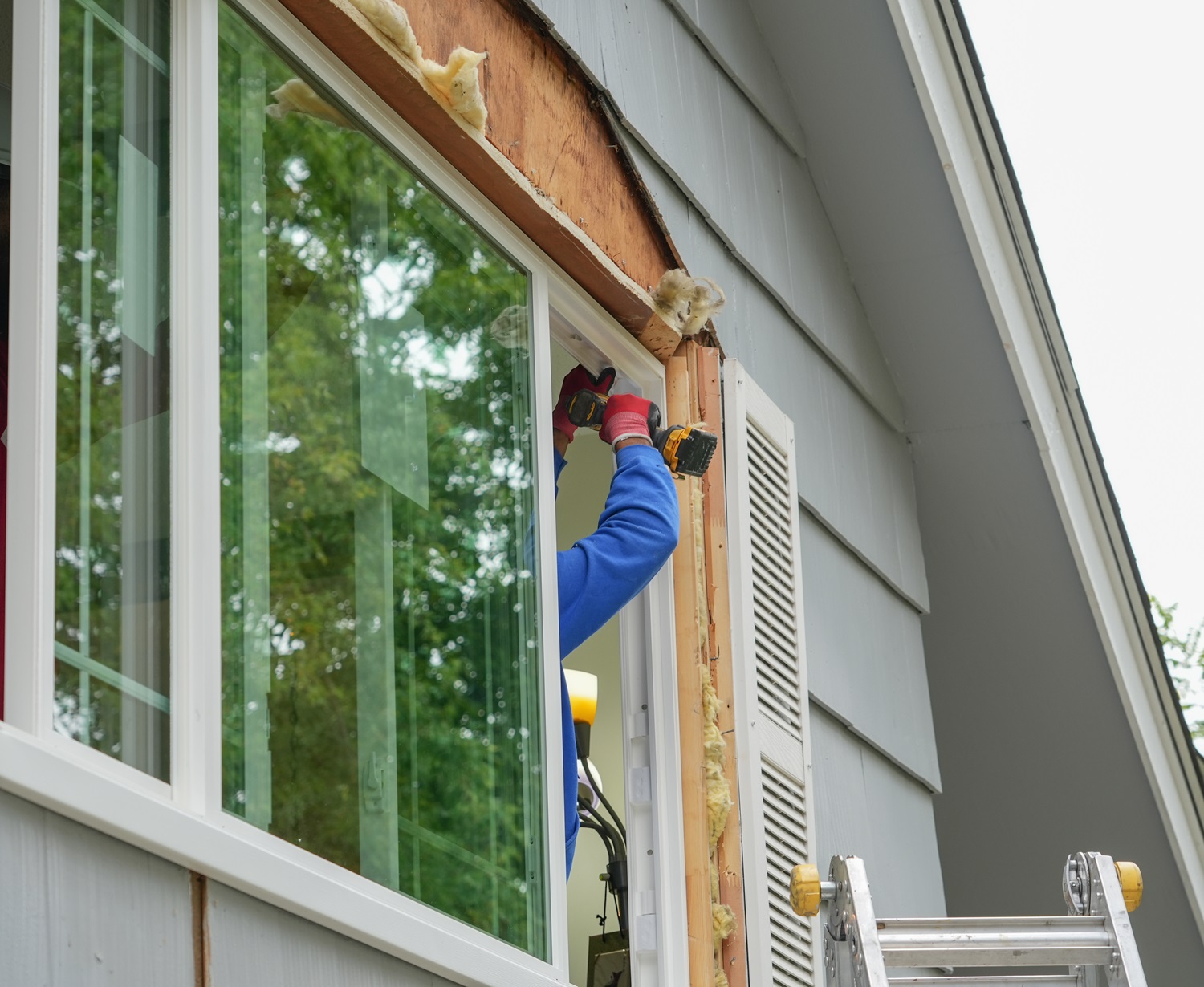
Full-frame window replacement removes the existing window assembly, including its frame and sill. Depending on how the house was built, the crew also takes off interior casing, exterior brick molding, and portions of the surrounding trim. That exposes the rough opening in the wall.
An installer can examine the framing, remove damaged wood, correct uneven surfaces, and install new flashing if necessary. The new window is then fitted into the prepared opening, insulated around its perimeter, and trimmed.
This higher workload comes with its own challenges. Soft sill corners can’t support a new insert, and screws need sound material to do their job properly. So crews can’t just cover damaged wood with aluminum trim, because that won’t fix the underlying moisture damage.
An opening that has shifted noticeably out of square presents another challenge. A replacement unit must be installed level, plumb, and square enough to operate and seal properly. Damage to the existing frame can prevent that.
Sometimes full-frame window replacement is the better option even when there’s nothing wrong with the surrounding structure. Widening a kitchen window, changing the opening’s configuration, or coordinating installation with new exterior siding can make removal of the old frame part of the planned work.
Check the Sill Before Comparing Prices
Rot frequently starts at the bottom corners, where the sill meets the side jambs. Look for peeling paint, dark staining, soft wood, or a gap that keeps reopening after caulking. Check the lower jambs and exterior casing too, since window-frame rot that starts at a sill corner can spread along the frame. Check damp sills after heavy rains, even if the window still opens normally.
If there’s already exposed wood, gently pressing on it with a screwdriver can help you find soft areas. Healthy wood stays solid, while decaying wood will compress or crumble. Just don’t scrape or chip any paint due to potential lead concerns.
To check squareness, measure diagonally from one corner of the frame to the opposite corner, then repeat across the other diagonal. On a typical residential opening, a difference around a quarter inch is a red flag. It’s up to the manufacturer and installer to determine whether the opening can accept the proposed unit.
Ask the contractor to explain what caused the problem before ordering a window that will sit inside the same frame.
An Insert Takes Up Some of the Glass Opening
A new insert has its own frame, and that frame must fit inside the old jambs.
Some visible glass area is lost in the process. The difference varies by window design, but it is more noticeable when the opening was small to begin with.
You might barely notice the change on a huge living room window, but you’ll feel the loss more on narrower bathroom or stairwell windows.
If daylight is already limited, ask the installer for the new unit’s visible glass dimensions, because the window measurement by themselves can leave you with a frustrating lack of information. Compare those dimensions with the glass that is there now to figure out how much of the opening you would be giving up.
Ask About Old Sash-Weight Pockets
Older wood double-hung windows often operated with cast-iron counterweights hanging from ropes beside the sashes. The weights moved inside narrow cavities built into the sides of the original window frame. Those spaces, called weight pockets, were not necessarily insulated when the house was constructed. Cold air can snake its way in there even after the sashes have been replaced.
During an insert installation, the weight pockets may remain concealed behind the original jambs. If the crew has access to them, removing the weights and insulating the cavities can cut off an air leakage path. Some older windows have already had their weights removed, and access to the cavities varies.
If the weights are still there, the crew can check the pocket walls for moisture or deterioration while the cavities are open. The installation quote should make clear whether dealing with those pockets is included.
What Full-Frame Window Replacement Costs
For a national price reference, HomeGuide’s October 2025 window-frame replacement guide lists full-frame window replacement at approximately $700 to $2,000 or more per window. The same guide puts insert replacement at about $450 to $1,500 per window.
Window size, material, glass specifications, and installation complexity all affect the final price. These price guides shouldn’t be taken as gospel; they’re just ball-parl figures.
Installers interviewed by a trade publication several years ago described full-frame jobs taking two to three times as long as comparable insert work. Some estimated an additional $500 to $600 per opening, with roughly a third of that going toward materials, while others reported a smaller difference. Those are older estimates from individual installers, not current national averages.
Removing the existing frame may involve casing, brick molding, siding, and interior trim, and new flashing, insulation, and finish materials have to go back in afterward. A basic insert job may leave the surrounding room almost untouched. If the old frame needs to come out of a plaster wall, someone has to account for damaged plaster, new casing that fits the room, and painting the finished opening.
Ask whether those finish repairs are included in each estimate. The window unit may be identical on both bids, but the amount of carpentry can be very different.
Mixing Inserts and Full-Frame Window Replacement
Full-frame window replacement on every single window in your home at once is a massive undertaking that can drive you insane. Not every window needs the same installation job. Suppose the upstairs bedroom frames are dry, square, and sound. Inserts may preserve the original casing and save money there.
Downstairs, the kitchen window has a soft sill corner and water staining beneath the trim. That opening needs closer investigation, and full-frame window replacement may be the appropriate work. The new windows can still share the same colors, frame materials, and glass packages.
Look at the specifications for the energy-efficient windows themselves, separately from the proposed installation method. U-factor, solar heat gain coefficient, and glazing options describe the window’s performance, but they don’t tell you whether the installer has repaired the wall surrounding it. An insert’s thicker visible frame may be unobtrusive on an upstairs bedroom window but more noticeable across a row of front-facing windows.
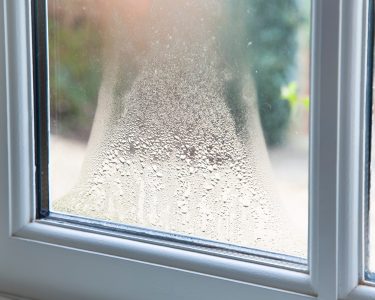
Sometimes neither replacement method is necessary. If the only problem is condensation trapped between two panes of glass, the insulated glass unit may have failed. A glass shop may be able to address that window seal failure by replacing the sealed glass unit while keeping the existing frame. A sound frame with failed glass is a different problem from a frame that has been admitting water into the wall.
Questions to Settle Before Ordering Windows
Can you replace a window without removing its frame?
Yes. An insert or pocket replacement fits a new window unit inside the existing frame.
The old frame must be structurally sound, appropriately sized, and suitable for sealing the new unit. Any air or water leakage around the original frame still needs to be identified and addressed. An insert is not a repair for rotted jambs or a damaged rough opening.
Does full-frame window replacement damage siding or brick?
It can require some removal and restoration around the opening. With vinyl siding, the installer may need to loosen or remove nearby pieces so the window and flashing can be installed properly.
On a brick home, the masonry may remain in place while the old brick molding and other trim are removed. The amount of disturbance depends on the window design and how the original frame was installed. Ask which exterior materials the crew plans to touch and how they will be restored afterward.
Is an insert less energy efficient than a full-frame window?
Not necessarily. The window itself can have the same insulation and glazing performance under either installation method.
What changes is access to the surrounding opening. During full-frame window replacement, the installer can inspect and insulate areas hidden behind the original frame. An insert can be sealed around its accessible edges, but the crew may not be able to correct missing insulation or flashing farther behind the old jambs.
An insert in a dry, properly sealed frame can perform very well. Problems arise when the old frame or its connection to the wall is already compromised.
Get the Installation Method on the Quote
A clear estimate identifies which openings will receive inserts and which need full-frame window replacement. It should describe the existing frame’s condition and specify whether new jambs, sills, flashing, insulation, interior trim, and exterior finishing are included.
Every contractor should answer one question: what happens if the crew removes the sash and discovers rot that was not visible during the estimate? The contract should explain how the installation method can change, who approves the additional work, and how the price will be calculated.
Ask each window contractor to inspect the same problem areas. Photos of peeling sill corners, stains beneath the openings, and damaged exterior trim give everyone something concrete to examine. Then compare the scope of removal, repairs, and finishing for each window, along with the total price.
Sources
HomeGuide, How Much Does Window Frame Replacement Cost? (October 2025)
U.S. Environmental Protection Agency, Small Entity Compliance Guide to Renovate Right (2026)