

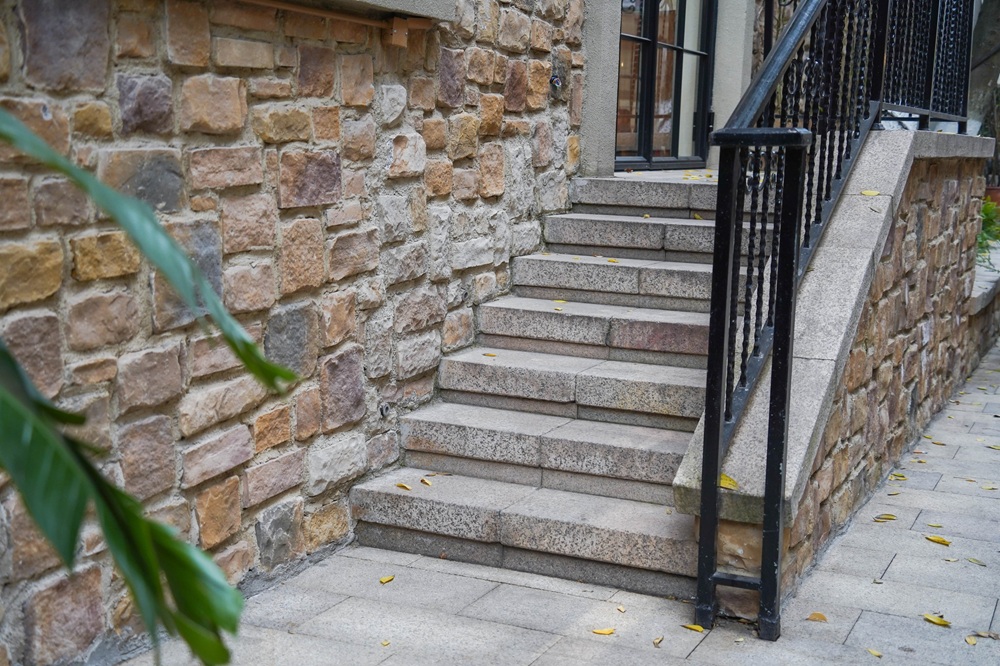
A front stair can look ordinary and still feel wrong underfoot. An older parent may clear two steps, pause at the third, and lift a foot higher before reaching the door. Stair riser height can help explain the pause when a rise differs from nearby steps.
Quick Answer
Each riser and tread needs its own reading because variation within a flight is part of the code check. The 2021 International Residential Code covers this measurement in Section R311.7.5.1. Its maximum riser is 7 3/4 inches. Within one flight, the tallest riser cannot exceed the shortest by more than 3/8 inch. Treads must reach at least 10 inches deep, with the same 3/8-inch variation limit.
A caregiver already providing mobility assistance at home may notice the same pause on several trips. A family member can write the step number on paper, then measure each rise from bottom to top. If Step 3 keeps causing the pause, Step 3 gets a reading beside the others.
State and local amendments can change model-code requirements. Before repair work begins, a homeowner can ask which residential code edition applies to the property. A second question can ask whether local amendments change Section R311.7.5.
Stair Riser Height: What the 2021 IRC Says
Riser height is the vertical distance between the leading edges of adjacent treads. International Residential Code rules measure each rise separately. Total stair height cannot show whether every step follows the same dimensions.
A five-step flight may reach the porch at the correct overall height while one riser sits higher. Measuring upward from the first step can expose the outlier. A difference above 3/8 inch between the tallest and shortest risers exceeds the cited 2021 IRC limit.
Finished surfaces can alter a measurement years after construction. New paving beside the first step can raise the grade by half an inch or more. Porch resurfacing can change the final rise near the door. Measurements taken after nearby work show what a foot meets today.
The tape should follow a vertical line between two leading edges. Measuring along a sloped riser face can give a longer reading. A second check from the same points can catch a tape that moved during the first reading.
Someone checking an older stair can record each rise in order. For example, the readings might be 7 1/4, 7 1/4, 7 5/8, and 7 1/4 inches. A 7 5/8-inch third step stands out in the written sequence. A contractor can recheck the same point before deciding how much work the stair needs.
Tread Depth Changes How Much Foot Fits on a Step
Tread depth measures the space from the front edge of one step to the front edge of the next. For the cited residential stairs, the 2021 IRC requires at least 10 inches. A shallow tread leaves less room for a shoe before the toe reaches the next riser.
Weather can reduce usable foot space even when the structure meets code. Packed snow can cover the front edge, and wet leaves can collect near the back. A loose mat can also crowd the walking surface. A note might read, for example, “10-inch tread; wet leaves at back edge.”
For tread depth, the tape runs from one front projection to the next. IRC rules call for a line at a right angle to the tread’s leading edge. Someone checking the stairs can use the same method on every step in the flight.
A caregiver may see a foot stop short on the same tread during after-hospital care at home. If the pause keeps happening at the same step, the family can compare that tread with nearby steps and record the reading.
Nosing changes how the front edge feels underfoot too. IRC rules permit a tread with no nosing projection when depth reaches at least 11 inches. A contractor can compare the existing stair profile with the code used by the local building department.
A Repaired or Settled Step Can Change the Whole Flight
Exterior stairs do not always age evenly from top to bottom. A lower step may settle toward the walkway while upper steps stay near their original position. Patching a tread can also change the rise above the repair.
Cracks can help show where movement occurred. Someone checking the stair still needs to write down the tape readings step by step. Photos can show a contractor where a crack sits beside the changed reading.
Writing each riser and tread measurement in order makes small differences easier to see. Someone checking the flight can compare the tallest rise with the shortest. The same check works for the deepest and shallowest tread. An average can hide the outlier causing trouble underfoot.
A family reviewing the stairs during exterior remodeling for aging in place can photograph nearby features during the same walk-through. Photos can include the walkway, rails, doorway threshold, and top platform. A side view can also show where a repaired step meets older material.
A family member can repeat the stair measurements after nearby paving or porch work. New paving can change the height beside the bottom riser. Porch resurfacing can alter the final rise near the door even if the work never touched the stair.
Stair Riser Height for an Older Person Using the Entry
A repair record can pair code dimensions with notes about where someone slows down or reaches farther for a rail. For Step 3, the sheet might show 7 5/8 inches beside “reaches for rail.”
The same walk-through can include rails and damaged tread surfaces. CDC guidance advises railings on both sides of stairs for older adults. CDC also lists broken or uneven steps among home fall hazards. A family member can record rail condition and light level beside the stair measurements.
Rain can change how the same stair feels underfoot. Notes made at different times can show whether a pause appears only after rain or after dark. Separate caregivers may notice the same step under different conditions when around-the-clock home care is already part of the household schedule.
A cane or walker also changes how much room someone needs on a tread. Another person walking beside them needs space without crowding the stair edge. Photos taken from the approach can show a contractor how the stair width, rails, and doorway meet.
A short video can add context when the person uses the steps at a normal pace. Even a brief clip, if the family already has the phone out, can stay focused on feet, rails, and the step where a pause occurs. A family member can keep the clip with the written measurements for the contractor visit.
Questions About Exterior Stair Dimensions
What Is the Maximum Stair Riser Height for a House?
For the residential stairs covered by Section R311.7.5.1, the 2021 IRC allows a maximum stair riser height of 7 3/4 inches. A homeowner can also ask whether the planned stair repair needs a permit before pricing begins.
How Deep Should Exterior Stair Treads Be?
Ten inches is the minimum tread depth under the cited 2021 IRC section. If a chip or heavy wear changes the front edge, a photo can show the damage before a contractor confirms the measurement point.
Should Exterior Steps Be Measured When Wet or Dry?
Structural dimensions are easiest to record on a clean, dry stair. Wet-weather trouble can go on a separate note so the contractor sees both the measured size and the condition that changed how the step felt.
Before Anyone Changes the Steps
A family can record stair riser height and tread depth before concrete, wood, paving, or porch work begins. Dates beside the measurements make later comparisons easier. After repairs, a family member can measure the same points again. The second set can stay with the repair photos or invoice for the next stair check.
Sources
Centers for Disease Control and Prevention, Preventing Falls and Hip Fractures