
The refrigerator hums back to life. Down the hall, the digital clocks blink an hour behind. Somewhere in the house, a sump pump kicks on after six hours of silence. That first restart is usually when a homeowner starts researching whole home generator installation. Questions start while the lights are still flickering.
A whole home generator installation connects a permanently mounted unit straight to the house wiring. Power switches over on its own within seconds of an outage. No one has to run extension cords out to a portable unit in the yard. Families arranging in-home care in South Orange are often the ones pushing hardest for backup power like this. A lapse in power can mean a lost cooling cycle for medication or a stalled oxygen machine.
How Whole Home Generator Installation Works, Step by Step
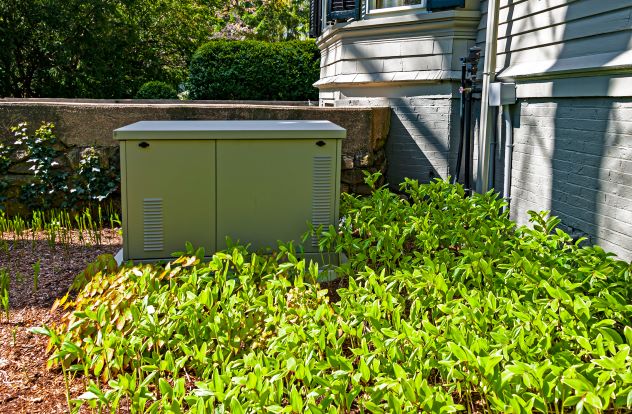
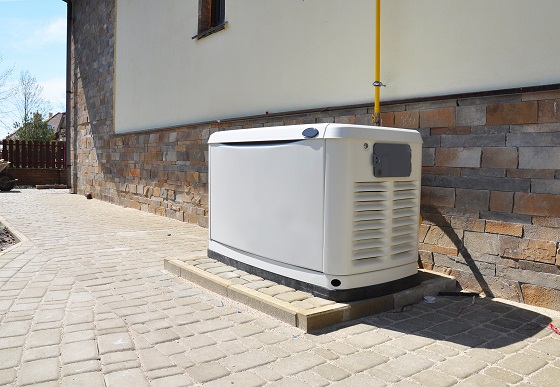
Site visits are the first step in a whole home generator installation. An electrician checks the electrical panel, the existing wiring, and the best outdoor spot for the generator pad. NFPA guidelines call for at least five feet of clearance from windows, doors, and vents, and local code often adds its own property line setback on top of that. That site visit confirms the unit will meet those setbacks before anything gets ordered.
Once the generator and transfer switch arrive, a crew sets the concrete pad. They run the electrical connections and tie the natural gas or propane line to the unit. A final check confirms the transfer switch senses outages correctly. That switch should start the generator within about ten seconds, then hand control back to utility power once service returns.
What a Whole Home Generator Installation Costs in South Orange
Most homeowners pay between seven and fifteen thousand dollars for a whole home generator installation. That range covers the generator itself, the transfer switch, the pad, and the labor. A larger house or a higher output unit pushes the number toward the top of that range. Running only key circuits keeps a smaller home closer to the bottom of that range.
A household that depends on medical equipment or a steady daily routine figures the cost differently than a family weighing comfort alone. An oxygen machine that needs steady power raises the stakes of even a short outage. So does a refrigerator holding insulin, or a caregiver following a wellness care plan for an aging parent. Some families budget for backup power the way they would budget for a medical expense.
Sizing a Generator to What the House Actually Needs
Generator size is measured in kilowatts. Right sizing depends on how many circuits a homeowner wants covered during an outage. A generator sized only for the refrigerator, the well pump, and a few lights costs less to install and run than one sized to power the whole house, including the air conditioner and the oven.
An electrician works out the needed output using a load calculation. A load calculation means adding up the wattage each circuit draws when it starts and when it runs. Some appliances pull a heavy surge for a second or two before settling into a lower running load. Skipping this step is how a generator ends up tripping its own breakers the first time the air conditioner and the oven run together.
A 14 kilowatt unit usually covers the refrigerator, the furnace blower, a few lighting circuits, and one window air conditioner. Central air conditioning changes the math. So does an electric range or a well pump running at the same time. Homes with those extra loads usually need a 22 to 26 kilowatt unit instead.
Permits and Electrical Work Your Installer Will Handle
Nearly every town requires a permit for a whole home generator installation. A separate permit covers the gas line if the unit runs on natural gas or propane. An electrician usually pulls these permits as part of the job. They also schedule the inspections the utility company needs before it will connect the transfer switch to the grid.
Beyond the municipal permit, the local utility has to approve the connection before the transfer switch goes live. The National Electrical Code requires this kind of switch to isolate the house completely from the grid during an outage. A generator feeding power backward into a dead line puts utility line workers at risk while they are out making repairs.
Older homes sometimes need more than a permit to make this work. A panel built for a house from decades ago may not have room for a new generator circuit. This capacity issue is why some homeowners handle an electrical panel upgrade at the same time as the generator project, instead of running into it later. Many South Orange homeowners let one electrician handle both sides of the job. Folding the panel work, the transfer switch wiring, and the permit filing into a single visit is easier with a company like All City Electrical.
How Long Installation Takes From Start to Finish
Four to eight weeks is the realistic window for a whole home generator installation, counting from the first site visit to the final inspection. Hands on work usually wraps up in one or two days. Permit review adds most of the waiting time, since some towns turn applications around in a week while others take a month or more. Homeowners who want a generator in place before storm season should start the permit process in early spring. Waiting until fall means competing with everyone else’s project in the town’s queue.
Maintaining Your Generator After Installation
Makers recommend a service visit every six to twelve months. A weekly self test also confirms the battery and engine are ready. Skipping these checks is the most common reason a generator fails to start during the outage it was bought for.
For a family managing care for an aging parent, generator upkeep is one more item on a long list of ongoing tasks. Generator upkeep can slip if no one owns it. Coordinating the annual service visit through a caregiver support plan gives one more person a reason to notice if the maintenance reminder gets missed.
How much does whole home generator installation cost in South Orange?
Most installations run between seven and fifteen thousand dollars. The number depends heavily on what the site visit finds. A home with an existing natural gas line usually costs less than one that needs a new propane tank added as part of the project. Asking for that site visit early is the only way to get a real number instead of a broad estimate.
Can I install a whole home generator myself?
No. Some of the site work, like clearing space for the pad, does not need a license. Electrical connections and the gas line tie in need a licensed electrician, since a mistake in either one can create a fire or carbon monoxide risk.
How long does a standby generator last?
A well maintained standby generator usually runs for twenty to thirty years. Engine and battery parts may need replacement before then, depending on how often the unit runs during outages.
Planning Backup Power for a Household That Relies on Daily Care
Permits and scheduling drive this project as much as the electrical work does, and the wait usually runs longer than the actual hands on work. A household with a consistent care routine already in place should plan the project around that routine instead of around convenience alone. Losing power touches more than comfort when medication, equipment, or a caregiver’s schedule depends on it. Getting the panel checked early and sizing the unit around real circuits instead of guesses do more for reliability than which brand ends up in the yard.
Sources:
Generac: Backup Generator Installation
Angi: Whole House Generator Installation Guide