

A backyard can feel frustrating when someone with ADHD wants to move and has no obvious place to begin. Too many choices can turn a break outside into another task that takes effort to start. Sensory garden ideas can make the yard easier to enter by giving movement a visible route and giving rest its own place. A design works better when someone can step outside and see the first action without stopping to plan the whole visit.
Quick Answer
After someone steps outside for a break, the family can start with the action that should happen first and build the yard around it. A clinician discussing ADHD and executive-function concerns may ask where a task stalls before the first step. At the back door, a family can watch where movement stalls before the person begins. For example, a starting layout could use one walking route, one watering task, one seat, and one touchable herb bed.
Once a family chooses the first route, they can watch whether someone uses it without a reminder. If the person stops at the door and scans the yard, the first destination may be too hard to see. A bench placed farther into the route can give the walk an endpoint. On another ordinary day, the household can test the same route again.
Families can test sensory garden ideas by changing one feature at a time. If a route goes unused, moving the endpoint gives the family one new condition to watch. Adding several new features at once makes it harder to tell which change affected use. A short test over two or three ordinary outings can show whether the moved endpoint gets used.
Sensory Garden Ideas Begin With a Visible Route
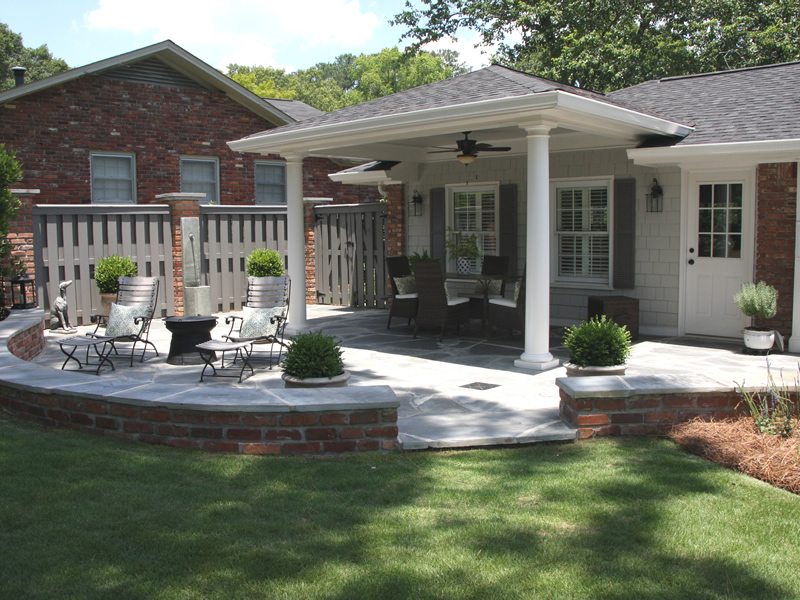
A movement route should begin where the person already enters the yard. From the back door, a short loop can pass one raised bed before returning near the house. A person who wants to move can begin walking without choosing among several activities first. Once the route feels familiar, homeowners can add a longer path if the yard has room.
Footing should stay steady along the main route. A narrow strip of mulch beside a paved path can add texture without forcing someone to walk on a loose surface. During ADHD treatment, a clinician may ask which daily activities are easier to start and which stall before they begin. By watching the start of the walk, a family can decide whether an outdoor route is easy enough to use.
A short walk around the yard gives movement a defined start and finish. In a 2026 CHADD episode, developmental pediatrician Mark Bertin and meditation teacher Mark Coleman discuss how outdoor movement may help attention and emotional regulation for people with ADHD. In a home setting, a family can watch whether the person returns indoors ready for the next planned task. If the transition back inside goes poorly, the household can shorten the route before changing anything else.
A bench at the far point gives the route a stopping point and gives a walker somewhere to pause before heading back. If the person keeps leaving the route early, moving the bench closer can test whether distance is the problem.
Give Each Part of the Yard One Job
A yard becomes harder to use when the same corner is trying to do several jobs. A homeowner can set one area aside for watering. Keeping the watering can beside the planter lets the task begin with an object already in reach. Someone coming outside for a short break can see what to do without searching through a shed first.
A coach using executive-function coaching may work on breaking a larger task into a first step that is easier to begin. In the yard, a small digging bed can have a clear stopping cue. The person returns the trowel to its hook when the task ends, so the ending is visible before the work begins.
A seat away from the busiest part of the yard can give someone a place with less sound and movement. When homeowners plan backyard design, they can keep the seat visible from the door without placing it inside the busiest path. If sound from a wind chime makes the seat harder to use, the household can take the chime down for several days and watch what changes.
Storage also affects whether someone starts an activity. Tools buried in a garage add another step before gardening can begin. Keeping one hand tool beside the raised bed removes the search. Weather-safe storage near the task can protect the tool without moving it out of sight.
When a family tests sensory garden ideas over several days, they can watch where a hand tool ends up after use. A tool that keeps disappearing from view may stop a task before it begins. Moving the tool closer can test whether access was the barrier. Before deciding whether the change helped, homeowners can keep the new location for a few days.
Plants Need to Survive Repeat Touch
Homeowners can place touchable plants where hands can reach them without stepping into a bed. Lamb’s ear can give someone a soft texture near the path. Current home-garden guidance from the Royal Horticultural Society recommends sensory walks where a person notices what draws attention outdoors. A family can test the sensory-walk prompt by watching which plant gets touched again on later visits.
Homeowners need enough room to care for plants beside the path. An herb planted too close to the walking edge may get brushed every time someone passes. Moving the herb back a few inches can protect new growth while keeping the leaves within reach. After the plant fills out later in the season, homeowners can repeat the check.
A family can test scent before planting a whole bed. One pot of thyme near the route gives the household a chance to see whether the smell is welcome. If the scent becomes distracting, the pot can move farther from the path. A container lets the household move the scented plant without digging up a bed.
With visual cues, homeowners can test one marker at a time. A single bright planter can mark the turn toward a seat. If someone keeps walking past the turn, moving the planter closer to the path gives the family another reading.
Seasonal growth can change how the route feels later in the year. A plant that sat below hand height in spring may brush an arm by midsummer. Trimming the plant back can reopen the route without changing where the bed begins. After new growth appears, homeowners can check the same path again.
Questions About Sensory Garden Ideas for ADHD
How Big Does the Garden Need to Be?
A sensory garden can fit along a patio edge or in a small yard. A short route and one task area can provide enough information to see whether the setup gets used before a family adds more space.
Should Every Sense Be Included?
No. A garden can focus on touch if the person seeks out textures outdoors. Families can add another sensory feature later after watching how the first feature gets used.
What Should Change if the Space Feels Overwhelming?
The household can keep a short visit log for several days. If the person repeatedly leaves after reaching the same spot, the household can inspect that area before changing the rest of the yard.
Sensory Garden Ideas Need a Real-Use Test
Before moving anything after installation, homeowners can take one photo from the back door. After a week, homeowners can compare the photo with where the person stopped and started. The photo may reveal summer growth hiding a seat that looked visible from the patio. The next change can focus on the feature that was hard to see from the entry point.
Sources
Royal Horticultural Society, Creating a Wellbeing Garden for a Home