

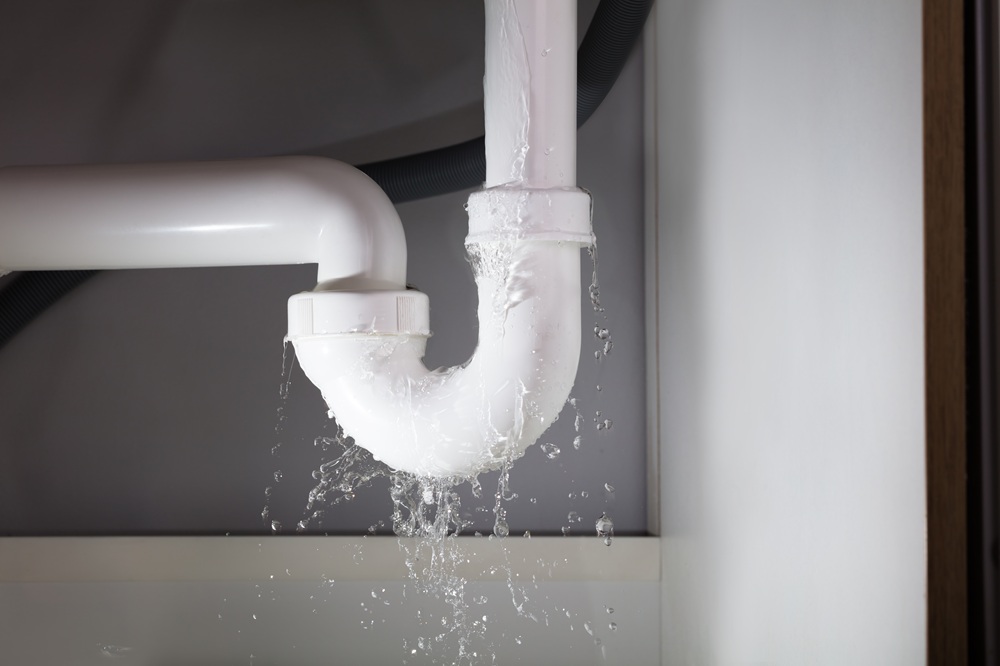
A dripping pipe under a sink can run for days before anyone notices. If the person living in that house is on their own, those days can turn into a flooded floor and a ruined subfloor before help arrives. Smart water leak detectors solve a problem most families do not think about until it is too late. They catch the leak long before a person would, especially in a home where nobody walks past a cabinet every day. For a family with an aging parent living alone, that kind of early warning can catch a problem days before anyone would otherwise notice it.
A Water Leak Is More Dangerous When Someone Lives Alone
Younger, more mobile people usually catch a leak within an hour. Someone who moves slower, hears less, or rarely checks under the sink is far more likely to miss it for a full day. Reduced mobility also gives a smaller leak more time to spread. Getting across the room takes longer with a walker or a cane.
A slow leak inside a wall or under a floor can go undetected for weeks, since there is no visible drip to notice at all. The EPA’s WaterSense program says the average home wastes over 9,300 gallons of water a year to leaks alone. A hidden leak of that size can soak framing and subflooring for weeks. Leaks are normal if there are plumbing issues present, but nobody sees it until a stain finally shows up on the ceiling below.
A plumber familiar with whole home monitoring systems can identify the handful of spots where leaks happen most often. Water heaters, washing machines, and under bathroom sinks are the usual culprits. Someone with this experience places sensors there instead of guessing at coverage.
How Smart Water Leak Detectors Work
Smart water leak detectors work by pairing a small sensor with a wifi or app based hub. The hub sends an alert the moment moisture is detected. Some models also track temperature, since a sudden drop can signal a burst pipe before any water reaches the floor.
Not every hub relies on a home wifi network. A dedicated cellular connection keeps working during a power outage, when many home networks go down anyway. The alert goes straight to a phone, not just to a screen inside the house. A family member across town gets the same notification as anyone standing in the kitchen.
Where to Place Them for the Most Protection
Under every sink, behind the washing machine, and near the water heater are the spots that catch the most leaks before they spread. Any cabinet that hides a supply line deserves a sensor too. A basement with a sump pump is also worth covering, since a failed pump often shows up as standing water long before anyone checks on it. Refrigerators with an ice maker line and dishwasher supply hoses are two more common trouble spots that often get missed.
What Happens When a Leak Alert Comes In
Most systems send a push notification within seconds of detecting moisture. Some models pair with a shutoff valve that closes the main water line automatically. That second feature does more for anyone who cannot reach the shutoff valve quickly on their own. Someone caring for a parent with ongoing health concerns can extend this same idea to guidance on power outage readiness for seniors, since the goal in both cases is catching a problem early instead of reacting once it becomes an emergency. Many families end up setting up both kinds of monitoring around the same time, once they realize how much the two overlap.
Choosing a Plumber to Install and Monitor the System
Not every plumber installs smart monitoring equipment, and fewer still will walk a family through which alerts need an emergency call versus a routine follow up. A plumber’s experience with these systems is one of the first things a family should check before hiring. A sensor placed in the wrong spot behind a wall does very little good.
Families should also check the warranty on both the equipment and the installation. These sensors depend on correct plumbing work as well as a stable wifi or cellular connection. A plumber who offers ongoing monitoring support, not just a one time install, is usually the better choice. That kind of support means fewer things for a family to manage on their own.
Smart Water Leak Detectors Versus Traditional Leak Detection
Traditional leak detection usually means a plumber finds the damage after the fact, often during a routine inspection or after someone spots a stain on the ceiling. Smart water leak detectors catch the problem within minutes. That speed is often what separates a five dollar sensor battery from a five figure repair bill.
Signs a Family Should Add This Layer of Monitoring
A parent who has had a leak before has good reason to consider this kind of system. The same goes for anyone who lives alone or spends part of the year away from the house. This kind of setup works best when it goes in before a problem happens.
Home care providers who visit on a regular schedule can check the sensors and hub during each visit. That kind of built in check can catch a dead battery or a disconnected hub before either one turns into a bigger problem. Families who split caregiving duties from a distance sometimes bring in a service like Butterfly Home Care. That extra support means someone is physically present enough to respond to an alert the same day, not days later. It also means the sensors and hub get checked by someone other than the family member already juggling everything else.
What the Devices and Installation Cost
A single wifi leak sensor typically costs between twenty and sixty dollars. Whole home systems with a shutoff valve and multiple sensors usually run between three hundred and eight hundred dollars installed. If the home has older plumbing or more fixtures, the price climbs toward the higher end of that range.
Travelers and other insurance carriers list monitored leak detection among the more effective ways homeowners can reduce water damage claims. That is part of why some policies offer a discount for installing one. An insurance agent can confirm whether a particular model qualifies before someone buys it.
Common Questions About Smart Water Leak Detectors
Do smart water leak detectors need wifi to work?
Most do, since they send alerts through an app. A few budget models skip wifi entirely and use Bluetooth instead. Those only work if a phone stays within range to catch the signal. That makes them a poor fit for a bathroom or basement far from where someone spends most of their time.
Can a smart water leak detector shut off the water automatically?
Some models pair with a smart shutoff valve that closes the main line the moment a leak is detected. That kind of system usually needs a plumber to install, since it ties directly into the main line, while a standalone sensor without a shutoff valve is easy enough to place without any professional help.
How long do the sensor batteries last?
Most battery powered sensors last one to two years. The app usually sends a low battery warning well before it dies completely.
What This Kind of Monitoring Protects
A leak sensor does one job. It catches the leak that would otherwise sit unnoticed for days, the kind that turns a five minute fix into a flooded floor and a call to a restoration company. Smart water leak detectors are one of the easier ways to add that kind of protection without changing anything about how someone lives in their own home. A phone alert replaces the guessing that usually comes with checking in on a parent from far away.
Sources:
EPA WaterSense. Fix a Leak Week.
Travelers. 4 Smart Home Leak Detection Devices to Help Avoid Water Damage.