
It can be difficult to contain the anticipation of waiting for that first outage after installing a new portable generator. When the moment finally arrives, you might find yourself running extension cords through a cracked window. The fridge might work, but the furnace and well pump don’t because they’re wired directly to the house. A safe connection to the panel is the missing link here, and that’s exactly what a generator transfer switch provides. Let’s discuss how you can determine whether a generator transfer switch is right for your specific home and needs.
Quick Answer
A manual generator transfer switch supplies selected circuits, often through a small transfer panel. An interlock kit works at the main panel and mechanically keeps the main breaker and generator breaker from being on together. Interlocks generally cost less but need a compatible panel with suitable breaker spaces.
Why a Generator Can’t Plug Into a Wall Outlet
Individual appliances can run from a portable generator through properly rated extension cords. The house wiring is a different story. A double-male cord in a wall outlet can push electricity backward through the house wiring onto the utility lines. According to the Consumer Product Safety Commission, this practice, called backfeeding, can electrocute utility workers or neighbors on the same transformer. Properly installed transfer equipment prevents it by letting the house draw power from one source at a time.
A Generator Transfer Switch Keeps Essential Circuits Separate
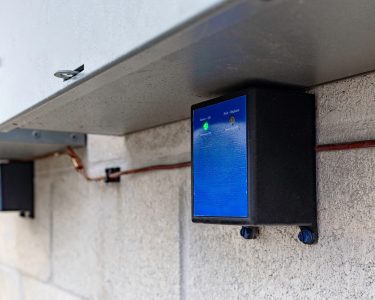
There’s usually a manual generator transfer switch beside the main panel. Many residential models feed six to ten selected circuits through a separate transfer panel. In most cases, those are the main applicances like the furnace, refrigerator, well pump, sump pump, and maybe a few lights. During an outage, you move those circuits to generator power one switch at a time, following the equipment’s instructions.
Marked switches help when someone else in the household has to run the system. That person flips only the circuits on the transfer panel instead of hunting through the main breakers. An electric dryer that isn’t connected can’t accidentally end up on the generator. If an important circuit was left out during installation, though, adding it later takes more electrical work.
Some models also include wattage meters that show how much power the connected equipment draws. Automatic transfer switches work hands-free, but they’re more commonly paired with permanently installed standby generators.
An Interlock Kit Gives You More Circuit Choices
An interlock kit is a mechanical plate or slide on the main panel. It physically blocks the main breaker and the dedicated generator breaker from being on at the same time. Once generator power is on, you choose circuits by turning individual breakers on and off. This gives you more control over what to prioritize. For example, you can focus on keeping the fridge and furnace running.
More circuits doesn’t mean the generator can run everything at once. Leaving an electric water heater or clothes dryer on can overload a portable unit fast.
Interlocks aren’t universal hardware. Each kit has to be listed for the specific panel, including its model and main-breaker position. Your generator circuit breaker also needs a type and rating approved for that panel. Fitting over the breaker handles doesn’t make a kit an approved choice.
Which Option Makes Sense for an Older Electrical Panel?
An interlock usually needs two breaker spaces, often next to the main breaker. Older panels may have no compatible interlock, and full ones may lack the space. In those cases, an electrician can check whether a transfer switch works or whether the panel needs attention first. Warm spots on the cover, repeated breaker trips, or scorch marks point toward an electrical panel upgrade first.
New Jersey has adopted the 2023 National Electrical Code under its current electrical subcode. Connecting a portable generator to house wiring requires approved transfer equipment and an electrical permit.
Generator Transfer Switch and Interlock Installation Costs
HomeGuide publishes these national installed-cost estimates:
(table here)
In an interlock job, the plate itself is rarely the expensive part. Most of the total goes to the generator breaker, inlet box, cord, wiring, and labor. Permit fees, panel changes, or long wiring runs add more. Automatic transfer switches appear for comparison but belong with standby generators.
Before buying an interlock, find the model sticker inside the panel door without removing the cover. A photo of it, plus the generator’s outlet specs, helps when checking fit at an electrical supply counter. Don’t remove the cover or reach inside, since an electrician can confirm details that aren’t safely visible.
Key Takeaways
- A transfer switch supplies selected circuits, while an interlock lets you pick among more circuits.
- Interlock kits must be listed for the specific panel, not just the same brand.
- A generator inlet box is the outdoor connection between the cord and the transfer equipment.
- HomeGuide puts installed costs at $400 to $850 for interlocks and $400 to $1,300 for manual transfer switches.
- Run the generator at least 20 feet from the house, and keep CO alarms working inside.
Generator Transfer Switch Questions From Homeowners
Does a portable generator require a transfer switch?
Not when you’re powering individual appliances through properly rated extension cords. Feeding the home’s wiring is different. Hardwired equipment like a furnace or well pump needs an approved transfer switch or listed interlock to keep generator power off the utility lines.
Can a homeowner install a generator transfer switch?
New Jersey lets qualifying owners of single-family homes do certain electrical work on their own houses, with permits and inspections. Transfer equipment, however, connects inside the main panel, where service conductors stay live even with the main breaker off. A licensed electrician can pick compliant parts, pull the permit, and schedule the inspection.
What size transfer switch do I need for a 10,000-watt generator?
In most cases, a 50-amp setup. Many 10,000-watt generators have a 50-amp, 120/240-volt outlet, so the inlet, cord, and switch are sized to fit. If the largest 240-volt outlet is a 30-amp twist-lock, size the system for 30 amps instead. Motor loads deserve a look too, since a well pump can briefly draw two to three times its running power.
Set Up the Connection Before the First Storm
Start with what you already own. Write down the generator’s outlet specs, photograph the panel’s model sticker, and list the circuits you’d need most. If you don’t own a generator yet, check its outlet before buying one, since that sets the inlet and cord. Once the system is installed and inspected, practice a full switchover on a dry day. Walk anyone else who might restore power through it too, so nobody learns by flashlight.
Sources
U.S. Consumer Product Safety Commission, Portable Generator Safety Alert
HomeGuide, How Much Does It Cost to Install a Generator Transfer Switch?