
An older parent can clear the porch steps and still catch a toe or walker wheel at the doorway. The raised edge may be less than an inch and still sit where someone reaches for a handle while moving through a narrow opening. Door threshold replacement can reduce the trip point. The repair starts with the surfaces on both sides of the door. Measure the whole crossing before choosing a new strip.
Measure from the finished floor inside the house to the highest point of the threshold. From the threshold peak, measure down to the porch surface. Watch where a shoe or walker wheel stops during a normal crossing. If the person uses a cane, watch the cane tip too.
A caregiver may cross the same entry on different days during home care in Haddon Township. Repeated use can reveal a toe catch or wheel stop that a one-time contractor visit misses.
Record both height changes and the point where the mobility aid stops. Add the clearance beneath the closed door to the same note, then give it to each contractor who inspects the entry. If an estimate covers only the visible threshold, ask what the contractor checked beneath it and beside it. An estimate for door threshold replacement should also state whether the price includes work below the visible strip.
Door Threshold Replacement Starts at the Floor on Each Side
A tape measure across the top of the threshold leaves out half the problem. Start on the finished interior floor and measure up to the threshold peak. Next, measure from the peak down to the porch surface. A larger change on one side may explain a catch that happens in only one direction. A walker can roll through from outside and catch on the return trip.
Check door-bottom clearance before lowering anything. A lower profile can leave more space beneath the door and weaken the seal against rain or cold air. If the door drags now, ask the contractor to check the hinges and sill before pricing a replacement. Swollen wood can change the opening too.
Someone who uses the doorway every day can add information a tape cannot. During personal care at home, a caregiver may see a parent lift one foot higher at the threshold or angle a walker before crossing. Record the direction of approach and the corner where the pause happens. A wheel that stops at the same front corner on several trips gives the installer a clear place to inspect.
Take photos from the side as well. A photo from ankle height (a phone works fine) can show all three surfaces in one frame. Another photo from outside can reveal whether the porch has settled away from the sill.
The Raised Edge May Start Below the Threshold
A worn metal or wood strip is only one source of a high crossing. A porch slab can settle while the doorway stays in place. New interior flooring can raise the inside surface after a remodel. If either floor surface caused the rise, a new strip at the old height can leave the toe catch unchanged.
Press on the transition material just inside the door and check for movement. Soft wood or staining can point to damage below the visible part. A sill that flexes under light pressure needs a closer look too. An installer should repair a weak base before fastening a new threshold over the damaged material.
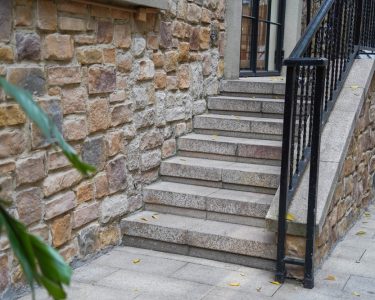
Check the top step during the same visit. Uneven stair riser height can change foot placement before someone reaches the door. If the final step is taller than the steps below it, foot placement may already change near the door. A raised threshold adds another height change within the next stride.
Remove a thick doormat for one test crossing. A mat can catch the front of a shoe or narrow the path for a walker. The mat can also hide the lower edge of a ramp. If the crossing improves without the mat, test a thinner mat before changing the doorway.
Door Threshold Replacement Has to Preserve the Weather Seal
An exterior threshold also helps keep water and outside air from moving under the door. Lowering the raised edge can change how the sweep meets the sill. After fitting the new part, the contractor should close the door and check the sweep. Look for daylight or drafts along the bottom edge.
Look at the porch after rain before choosing the new profile. Water that collects beside the sill can reach farther under a lower threshold. Staining near the jamb corners can justify opening the area before a new part goes in. Swollen trim or damp wood also gives the contractor a reason to inspect behind the sill.
Weather can also change how the entry works from one day to the next. A caregiver may see the doorway in both dry and wet weather during regular home care visits. After rain, a walker wheel may need more force at the threshold. Keep a dated note after wet weather so the contractor can compare a rainy-day entry with the dry-day inspection.
On a cold day, stand inside the closed door and check for a floor-level draft. If daylight appears beneath the door after the repair, ask the contractor to adjust the sweep or threshold before closing out the job.
Questions About Door Threshold Replacement in Haddon Township
How Low Should an Exterior Door Threshold Be?
Threshold height depends on which rule governs the doorway. The U.S. Department of Justice’s 2010 ADA Standards set a 1/2-inch maximum for thresholds on an accessible route. Sections 302, 303, and 404 also cover beveling and larger changes in level. A private residence may fall under other state or local rules, so ask which residential code governs the planned work and use the ADA figure as an accessibility reference.
Rot under the sill can turn a threshold swap into a larger repair. Haddon Township’s Construction & Zoning Office handles permit applications and inspection scheduling. If removal exposes damaged framing or changes the door opening, give the office the contractor’s proposed scope. Ask whether the office needs to review the repair.
Can a Threshold Ramp Cover the Raised Edge?
A fitted threshold ramp can bridge a raised edge in some doorways. Before buying a ramp, check the door swing and press on each edge for movement. Then check where rainwater will go beside the sill and whether the interior edge catches a shoe. If water pools at the sill or the edge catches a shoe, the ramp leaves a new problem at the doorway.
Who Should Replace a Damaged Threshold?
A carpenter, door installer, or remodeling contractor may be able to do the work, depending on what failed. Ask each contractor to inspect the sill beneath the threshold and the floor height on both sides. Each estimate should also cover the door sweep and signs of water entry. Written estimates should state whether the price covers only the threshold or also includes repairs uncovered after removal.
Recheck the Entry After Rain and Cold Weather
After door threshold replacement, have the same person use the doorway from the direction that caused trouble before the repair. Record the finished height and keep a side photo with the invoice. Recheck the door after the first hard rain, then again after a cold day for drafts or a new wheel stop. If the porch continues to settle, the records give the next contractor a starting point without repeating the first round of measurements.
Sources
U.S. Department of Justice, 2010 ADA Standards for Accessible Design