
That first September-October taste of cold weather triggers most homeowners to start thinking about a chimney inspection. But when they call, they find that every chimney service in the area is booked at least two to three weeks out. Anything that needs repair before Halloween or Thanksgiving will have to wait.
None of that pressure exists during summer. In fact, year-round chimney care treats summer as the window when the most productive maintenance work gets done, because there’s no scheduling friction. Calling for a chimney inspection in June or July often leads to an appointment in a few days. If there’s a needed repair, that might take a few more days rather than weeks.
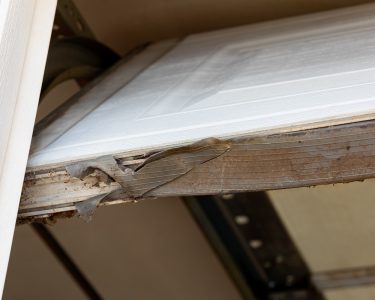
This same logic, of starting these processes early to get ahead of booking surges, applies to exterior projects worth completing before winter. The homeowners who finish without stress are the ones who started the process before September.
Why a Chimney Inspection Belongs on the Summer Calendar
The Fall Booking Rush and What It Costs You
The same patterns repeat, year in and year out. That first cold snap in October triggers homeowners to call their chimney services. The services’ books fill overnight. Someone who calls in mid-October and hopes to use their fireplace on Thanksgiving might need to wait until November. If there’s an issue with the fireplace or chimney, they won’t be using it on Thanksgiving because the repairs might take until December.
Or the homeowner gives into pressure, accepting the first repair quote because there is no time to get a second. This doesn’t happen to the homeowner who scheduled in July.
Winterizing the exterior is on the same autumn checklist as chimney maintenance, and the same logic applies. The work is smoother when it starts before the first cold week rather than during it.
What Summer Scheduling Actually Gets You
A chimney inspection booked in summer gets an appointment within a few days in most markets. It puts any needed repairs on a timeline where the homeowner has weeks to understand the finding, compare contractor quotes, and schedule work without pressure. In some markets, inspection fees also run slightly lower in off-peak months, though this varies by region and contractor.
Everything about a summer chimney inspection is easier than an October one. There’s less pressure on the homeowner, and on the sweep as well.
What Gets Checked and Why It Matters
Chimney inspections have three defined levels under NFPA 211, the standard that governs chimney systems in residential construction. Understanding which level applies determines how long the inspection takes, what it costs, and what findings are actually possible to make.
Level 1 vs. Level 2
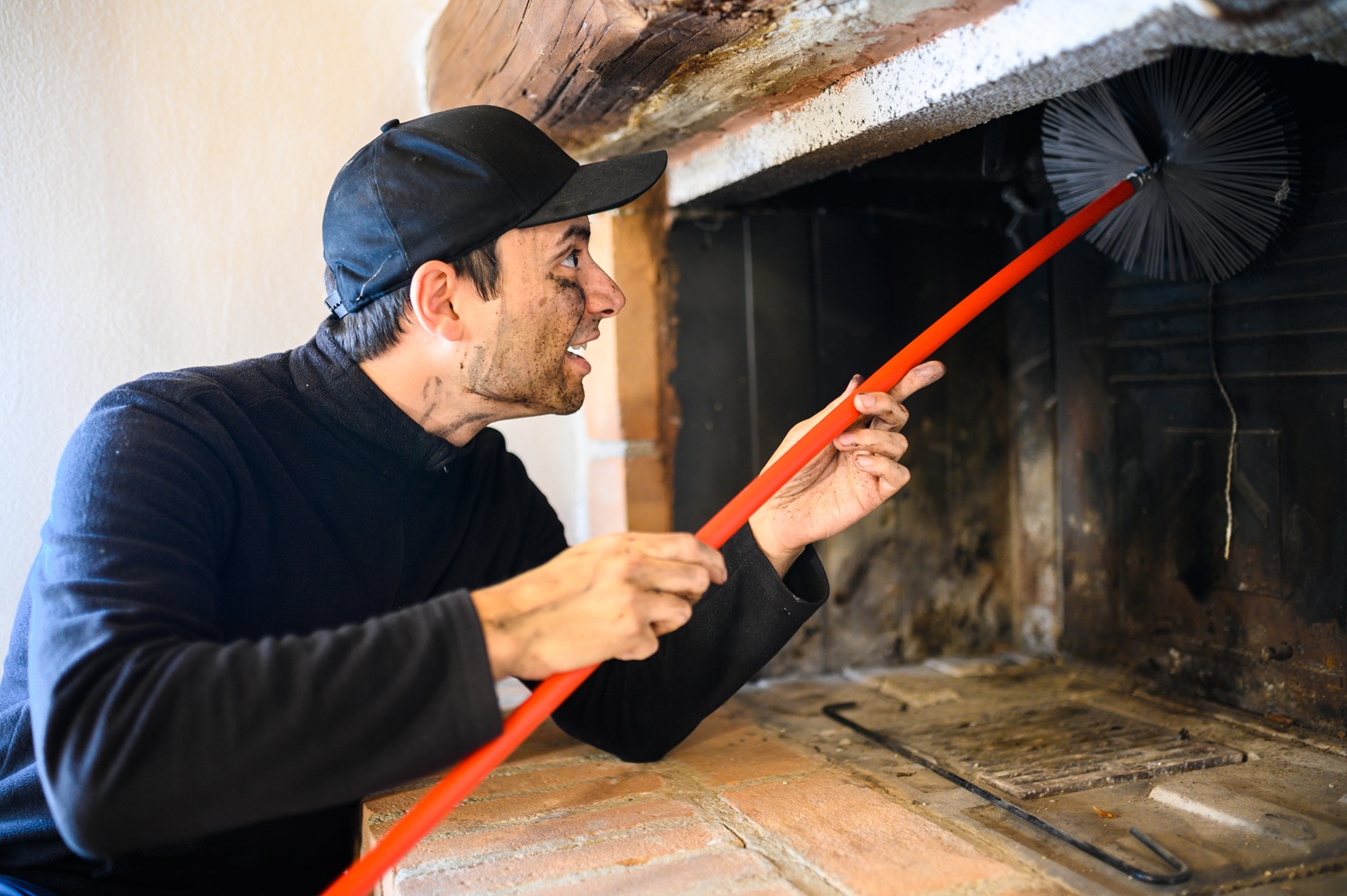
A Level 1 inspection is a visual check of accessible portions: the firebox, smoke chamber, damper, and visible exterior surfaces. This is the bog-standard chimney inspection someone will perform as part of an annual appointment, when the chimney has been used normally with no changes to the appliance, fuel type, or structure.
A Level 2 inspection is required after any change of fuel type or connected appliance, following a chimney fire, after a structural event such as an earthquake or lightning strike, or when a property changes hands. Level 2 includes everything in Level 1 plus a video scan of the full flue interior. The chimney camera inspection is the differentiating factor here. It produces documented images of conditions inside the flue that a visual check from the firebox opening or the rooftop can’t.
Knowing which level is warranted before scheduling prevents a common situation: the homeowner books Level 1 and discovers they need Level 2 instead, which means rescheduling and extending the project window.
The Written Record That Matters Most
A chimney inspection should produce a written report. The report documents conditions observed, photographs of any defects, the inspector’s assessment of liner integrity and clearances, and recommended next steps. Without a written report, the homeowner has no documentation for insurance purposes, no baseline for future repairs, and nothing to provide a buyer’s inspector when selling the home.
A chimney inspection service that includes a written report as standard practice is the benchmark to hold any provider to before booking. Not every contractor includes it by default.
What Summer Reveals in a Chimney Inspection
Summer is not just a more convenient time to schedule. For certain types of findings, it is a better time.
Why Chimney Smell Gets Worse in Summer
Creosote, the combustion byproduct that deposits on the interior walls of the flue during wood burning, has a sharp acrid smell that intensifies in warm and humid conditions. Many homeowners notice chimney odor in summer for the first time, even if they haven’t used the chimney recently. The same moisture and heat conditions that explain why chimneys smell worse in summer also drive other summer findings.
Efflorescence, the white salt deposits that appear on brick and mortar, becomes visible as moisture migrates through masonry and evaporates at the surface. Active water entry at the crown, at the flashing, or through deteriorated mortar joints shows up more clearly in the wet conditions characteristic of summer. An inspector working in summer can often trace a leak to its source instead of just finding the dried residue.
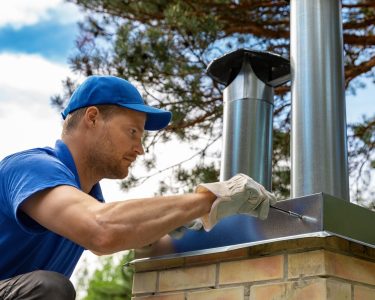
Chimney caps and animal prevention are also bigger summer issues. When it’s warm outside, critters like birds, raccoons, and squirrels look for nesting sites and find an unused chimney. Summer inspections often find nesting materials, animal droppings, or damaged caps that let them in. The same inspection that checks the flue for creosote also confirms whether there’s something other than smoke living in the chimney.
Chimney Inspection Cost: What Drives the Number
A Level 1 inspection typically runs $100 to $250 and is often bundled with a cleaning. A Level 2 inspection typically runs $200 to $500 or more, depending on flue length, chimney height, the number of fireplaces served, and whether they require attic or crawlspace access. There’s a wider range here because these variables can swing time on site greatly.
Whether a chimney inspection is worth the cost depends partly on timing, because an inspection in summer that finds a damaged liner or failed crown gives the homeowner weeks to understand the repair, gather quotes, and schedule on their own timeline. The same finding in October gives the homeowner ten days before the first fire.
What to Ask When You Schedule
Five questions produce useful answers before committing to an appointment:
- Is this a Level 1 or Level 2 inspection, and how do you determine which applies to my situation?
- Does the inspection include a written report with photographs?
- Is a video flue scan included in the scope, or is that a separate charge?
- If you find something that needs repair, do you also perform the repair work, or do you provide documentation for a separate contractor?
- Are you certified through the Chimney Safety Institute of America or an equivalent credentialing body?
A contractor who answers these questions clearly before the appointment understands what a proper inspection involves. Vague answers on any of these, particularly the written report and the Level 1 vs. Level 2 question, are worth noting before committing.
Frequently Asked Questions
How often should a chimney be inspected?
NFPA 211, the national standard governing chimney and fireplace systems, requires that chimneys, fireplaces, and vents be inspected at least once a year. The Chimney Safety Institute of America follows the same guideline. The frequency does not depend on how much the fireplace is used. A chimney that has sat unused for several seasons can accumulate animal nesting material, moisture damage, and crown deterioration that a regular user would have caught sooner. Annual inspection applies regardless of usage.
What is creosote and why does it matter?
Creosote is the byproduct of incomplete wood combustion that accumulates on the interior walls of the flue. It builds in stages: a light, flaky deposit that brushes off easily; a dry, harder crust that requires more aggressive cleaning; and a dense, glazed layer that resists standard cleaning equipment and poses a significant chimney fire risk. The stage of buildup determines what kind of cleaning is required and whether the chimney is safe to use before that cleaning is completed.
Can I use my fireplace while waiting for an inspection?
It depends on the last known condition and how much time has passed since the previous inspection. If the chimney was inspected recently with no significant findings and has been in normal use since, using it while waiting for a scheduled appointment doesn’t add much risk. If the last inspection was several years ago, if there has been a chimney fire, if unusual odor or smoke backup has appeared recently, or if visible damage to the crown or cap is apparent from the exterior, waiting for the inspection before using the fireplace is the correct approach.
Schedule in Summer, Use in Fall Without Thinking About It
The chimney inspection produces the same findings regardless of when it happens. What changes is everything after: the time to act on findings, the quality of decisions made under that timeline, and whether the homeowner is ready in October or scrambling. Summer scheduling is not a niche piece of advice for highly organized homeowners. It is the cleaner sequence: inspect when appointments are open, repair while there is still time, and use the fireplace in fall without wondering what was missed.
Sources
Chimney Safety Institute of America: Homeowner Resources — Annual Inspection Guidance
NFPA 211: Standard for Chimneys, Fireplaces, Vents, and Solid Fuel-Burning Appliances