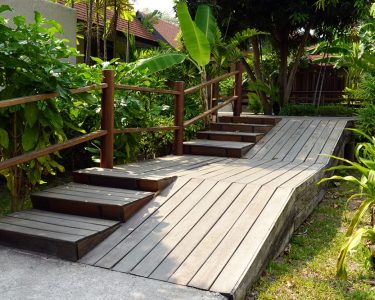

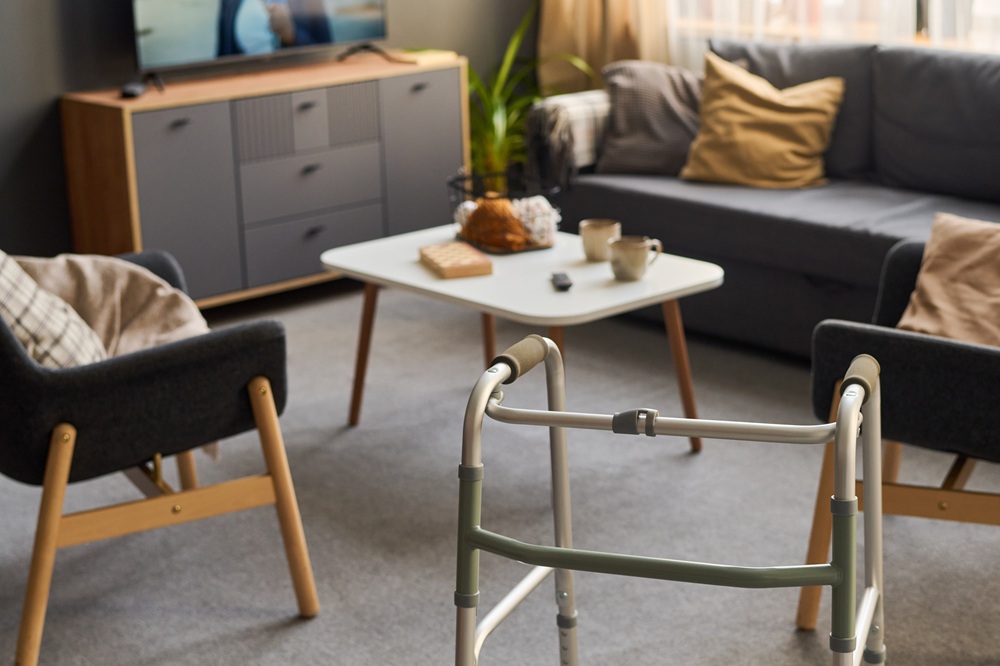
Families in Southwest Austin are often split with their planning of how to age in place. One group renovates first: widens doorways, installs grab bars, builds a ramp at the front entry. The other brings in professional care first: a caregiver a few mornings a week, medication reminders, a check-in call every evening. Both groups are on the right track. Most of them are missing the fact that sometimes, both need to happen at the same time.
AARP has tracked this preference for years. Roughly 77 percent of adults over 50 would rather stay in their own homes than move to a care facility. In Barton Creek, Bee Cave, and Dripping Springs, where many families have lived in the same neighborhoods for decades, that figure almost certainly runs higher. However, staying home as mobility and health slowly changes will require more than just the will to stay. It requires both a physical environment built around home modifications for seniors and a caregiver whose daily presence catches the little things that the environment cannot.
A home care assessment conducted before renovation work can change which modifications get prioritized. Without one, families may spend on maybe not the most important changes, but the most visible changes. They miss the things most relevant to how this particular person moves through this particular home.
Home Modifications for Seniors: What Studies Show
The research on home modifications for seniors is consistent and has been replicated across multiple populations. Falls are the leading cause of injury in adults over 65. They happen most often in rooms the person knows well: the bathroom, the bedroom, the hallway. The CDC’s fall data shows that about 36 million falls occur annually among older adults in the United States. Most are preventable.
Grab bars near the toilet and inside the shower, non-slip flooring, wider doorways for walker or wheelchair clearance, lever-style handles instead of round knobs, and improved lighting in high-traffic areas are all easy fixes. A 2018 Cochrane review of home modification programs found measurable reductions in fall rates among high-risk seniors after simple changes. The biggest factor was whether home modifications directly targeted possible hazards.
For Southwest Austin families, understanding which modifications apply to their loved one’s situation is only a starting point. Educating yourself on what aging-in-place modifications typically involves helps set realistic expectations about scope and cost before major contractor work begins.
What Modifications Cover and Where They Stop
A walk-in shower with a teak bench and grab bars on both sides is a realistic safety upgrade, as well as a fixed installation. When blood pressure is low after a medication adjustment, the modified shower is still there. When early cognitive changes make remembering the steps of a shower harder than it was six months ago, the modified shower is still there too. Someones ability to use the shower safely on that morning may not be.
Home modifications for seniors address the enviornment in which someone lives. It does not address how the person living in that environment is doing on any given day.
The Role of Professional Home Care
Professional home care fills out an extra layer that renovations cannot provide. A trained caregiver helps with daily tasks: personal care, medication reminders, meal preparation, light housekeeping, mobility support, and companionship. The most important work, though, is observational. A caregiver sees the person, not the environment, and notices when something has changed.
The importance of someone being around to notice these changes is underestimated. Aging does not move in a straight line. A senior who managed well last month may need more help this month after an illness, a change in medication, or a difficult stretch of sleep. In-home care built around the person rather than a static care plan can adjust when the person’s needs adjust, which is something no amount of renovation can do.
What a Caregiver Does That a Grab Bar Cannot
A caregiver prompts medication before a shower so blood pressure is stable when balance is most at risk. When someone is moving more carefully than usual, a caregiver asks what happened the night before. A caregiver checks whether the kitchen modification that worked well in March is still working well now that cognitive fatigue has become a factor. Each of these is an adaptive response to a change in the person, not in the environment.
For Southwest Austin seniors, that kind of responsive in-home caregiver support is available at different levels that can adjust as needs change, rather than being locked into a fixed arrangement from day one.
Why Home Modifications for Seniors Need a Care Plan First
Before committing to a major renovation, getting a professional assessment of the person’s functional needs changes which modifications need to happen first. The modifications most important for someone with early-stage dementia differ from those most important for someone recovering from a hip replacement.
An in-home plan of care from a professional caregiver documents daily routines, functional limits, and specific risk points before any physical work begins. This can help someone figure out which home modifications for seniors are worth doing first, which can wait, and which are less relevant to this particular person’s daily pattern.
Frequently Asked Questions
What home modifications help seniors stay home the longest?
Bathroom safety upgrades show the most consistent impact: grab bars, walk-in shower entries, and non-slip flooring. Entry-level changes, including ramps and zero-threshold entries, also extend independent living time significantly. What the research shows most consistently is that modifications matched to a person’s specific existing limitations outperform standard checklists. A senior with balance problems needs different priorities than one with limited grip strength. A professional assessment before renovation work identifies which profile applies, which is something a general list cannot do.
When should Southwest Austin families bring in home care?
Earlier than most do. Families who start professional care before a health crisis are in a better position. The caregiver builds familiarity with the person over time, not in the weeks after a fall when everything is already urgent. Part-time support a few days a week gives a caregiver time to learn the routines, the medications, and what a normal day looks like. That baseline is what makes the caregiver effective when something changes, and changes happen faster than most families expect.
Is home care or home modification more expensive?
They have different cost structures and are not a direct cost-for-cost comparison. Modifications are one-time capital costs, from a few hundred dollars for safety hardware to tens of thousands for structural changes like door widening or a stair lift. Professional home care is an ongoing service expense, charged per hour or visit. Families who treat the two as a coordinated budget rather than competing line items often spend less over the long run. Preventing an emergency placement in assisted living costs far less than responding to one after it has happened.
What Southwest Austin Families Should Do First
Families who keep seniors home the longest do not pick only one option. They start with a clear picture of the person’s current functional limits. Then they decide which modifications are worth doing now and what level of professional care makes sense alongside them. A renovation done without a care assessment can prioritize the wrong room. A care arrangement started without any modifications can put both the caregiver and the senior at unnecessary risk.
Sources:
CDC: Falls Data among Older Adults
AARP: 2021 Home and Community Preferences Survey
Cochrane Library: Home Safety Assessment and Modification Interventions
National Institute on Aging: Aging in Place