
It starts with something small, something that feels easy to brush off. A slight must smell near the fireplace. A draft that was not there last year. A faint scratching sound at night. Then one day, there is debris in the firebox, or the room smells horrid after rain.
The purpose of a chimney is to vent air out, not bring more problems in. When animals nest inside, or rain gets through a damaged top, you end up with problems. Odors, damp air, and safety issues that keep coming back. If there is staining, damp smells, or water marks near a fireplace, it’s important to know the signs of a leak.
Here we will go over what you can spot early, what a chimney cap actually prevents, and what to do before a small issue turns into a stressful one.
Why animals target chimneys
A chimney is a sheltered tunnel. It stays warmer than the outside, but is protected from outside forces: wind, rain, snow. It feels hidden, and for small animals, it’s a perfectly protected place to nest.
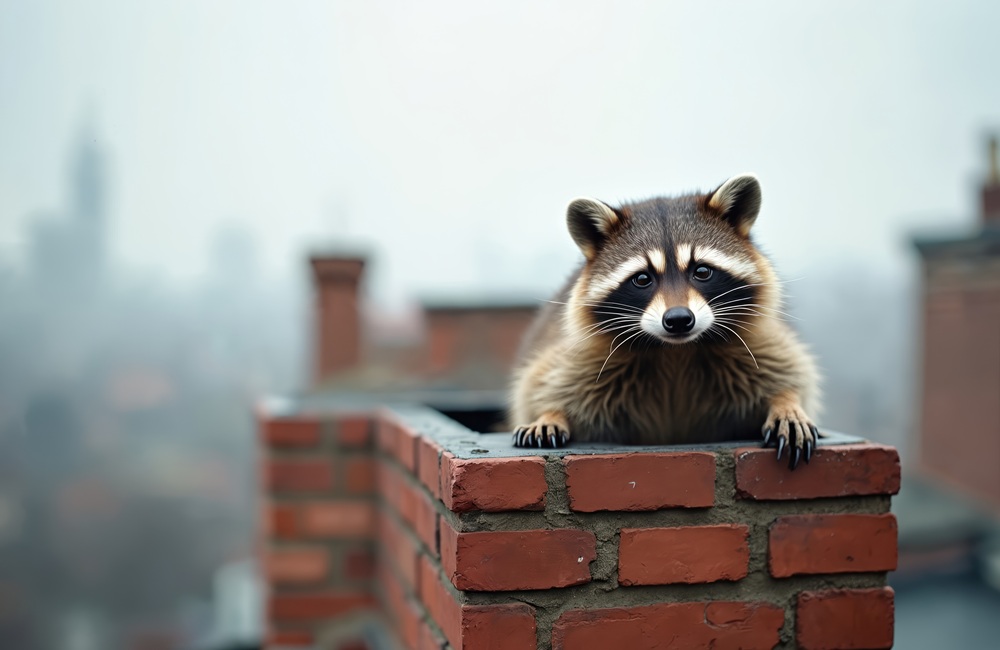
The unwelcome visitors can include birds, squirrels, and raccoons. Once nesting starts, it’s not only noise. It’s twigs, leaves, fur, droppings, and a blockage risk for your home. For them, it’s not their fault; it feels natural and opportunistic. For you, it can feel like a personal attack.
Signs something is in the chimney
Watch for patterns like these:
- Scratching, fluttering, chirping, or thumping, often early morning or at night
- Debris dropping into the fireplace
- Drafts that feel stronger than usual
- Smells that get worse after rain or when the wind shifts
If you notice more than one of these at the same time, treat it as a real home issue, not an “annoying sound.”
What a chimney cap actually does
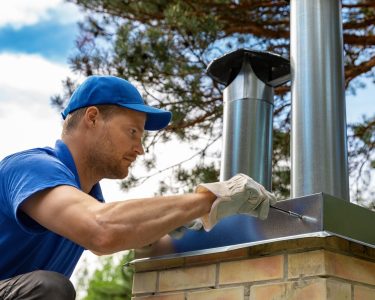
A chimney cap is a simple fix that prevents most of these problems. It covers the top opening so animals and debris cannot drop in, and it helps keep rain from pouring straight down.
Caps are not just about critters. Keeping water out is another important focus.
Rain and snow can lead to:
- Damp odors near the fireplace
- Rust on metal parts
- Slow damage to masonry
- Moisture that makes the room feel stale
Finding a chimney cap to prevent water and animals is one of the first fixes worth checking for. A properly fitted cap helps block outside factors that can end up seriously damaging your home and quality of life.
Why “safer home air” is part of this conversation
The common thought is that a chimney only matters if the fireplace is in use. That is not entirely true. Even if a fireplace is being used as decoration, it still might be a gateway to your home.
When a chimney has nesting material, moisture, or blockages, you can get:
- Stronger odors in the living space
- Damp air around the fireplace area
- Soot or debris that keeps reappearing
- Drafts that make the home feel colder and less comfortable
How nests and moisture create bigger issues
Nesting material can block airflow and trap moisture. Moisture can lead to a musty smell that lingers. If rain keeps getting in, the problem stops being seasonal and becomes part of daily life.
Quick safety habits that cost nothing
These simple habits reduce risk while you figure out next steps:
- Keep the damper closed when the fireplace is not in use.
- Do not use the fireplace if you suspect a blockage.
- Treat strong odors and visible debris as a stop-and-check moment, not something to “burn off.”
You do not need to panic here. You do need a plan.
Water intrusion signs you should not ignore
Water damage usually leaves clues, and most people notice them in the same places.
Look for:
- Stains near the fireplace surround or nearby ceiling
- Damp or musty smells after rain
- White chalky marks on masonry
- Rust on metal parts inside the firebox
- Warped trim or soft spots near the fireplace wall
Water marks are almost never just cosmetic. Water will keep working until it finds the next weakest spot.
Winter prep that prevents repeat problems
When the months turn cold, our houses tighten up. Windows stay closed for prolonged periods. Homes get sealed tighter. This is when drafts, damp, and hidden leaks feel more prevalent.
When homes are sealed up for long periods of time, it’s a good idea to winterize the exterior of your home. With this it’s important to do a quick safety sweep. Check for drafts, moisture around the fireplace, and exterior checks as well.
Quick winter-prep checks that fit this topic:
- Pay attention to damp smells after storms
- Look up at the chimney from the ground for obvious damage or missing pieces
- Confirm the damper closes cleanly
- Re-check after heavy wind or major rain
Winter does not create chimney problems; it exposes them. Save yourself a headache later by going into winter with preparedness.
The quick “what to check” list before you schedule anything
This checklist keeps you focused and saves time when you do call someone.
- Listen for noises, and note the time of day
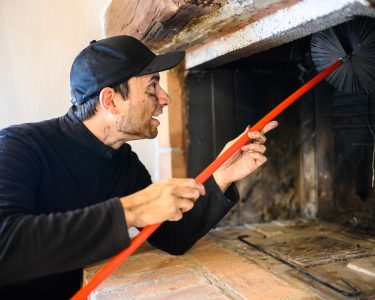
- Check the firebox for twigs, leaves, or animal debris
- Track when odors show up (after rain, on windy days, in the morning)
Write down what you notice. Patterns matter more than a single day.
What to do if you suspect an animal is inside
The main goal is to avoid making it worse.
- Do not try DIY removal.
- Keep the fireplace closed.
- Avoid running the fireplace “to scare it out.”
- Plan for humane removal and prevention, which usually means a proper cap and screen.
If it sounds like nesting
Nesting noise can come and go. That does not mean the problem is gone. It often means the activity moved deeper inside, or it is happening at different times. Prevention is what stops the cycle from repeating.
When home maintenance gets harder to keep up with
Even when the fix is straightforward, the hard part is staying consistent with the checks. When the to-do list gets heavier, safety tasks slide first. That is how small issues hang around long enough to become bigger ones.
Even with straightforward fixes, consistency with checking can become difficult. When the to-do list is ever growing, safety tasks slide first. We’d all like to assume our loved ones are being precautious, but sometimes we get stuck in rhythm. This is how small issues can hang in the air for a long time, long enough to become bigger ones.
If you have someone you suspect is unable to complete routines by themselves, it may be time to start in-home care services. Many families see issues in the home as a first warning that someone may need help taking care of their home. Having an extra caregiver can keep routines steady and reduce risks at home.
Issues like drafts, odors, or disrupted sleep are rarely just a home problem. Instead, they may be a symptom of routine shifting. This is where a caregiver can help in the home. Support starts with noticing patterns and keeping the home day-to-day safer.
The goal is not to chase every small issue. It is to prevent the ones that keep coming back and create repeat stress.
FAQ
What does a chimney cap do?
A chimney cap covers the top opening, so animals, debris, and rain are less likely to get into the shaft.
Can animals in the chimney affect indoor air quality?
Yes. Nests and debris can cause odors, damp air, and airflow problems that make the home feel stale.
What are the signs an animal is in the chimney?
Common signs include scratching sounds, debris, sudden musty smells, and stronger drafts.
Do chimney caps prevent chimney leaks?
They reduce water entering from above. However, leaks can also come from wind, crown damage, or masonry issues.
What should I do if I hear scratching in the chimney?
Keep the fireplace closed and avoid DIY removal. Plan for humane removal and prevention, so it does not return.
How often should I check the chimney cap?
At least seasonally, and again after major storms or high winds.
Can chimney leaks cause musty smells near the fireplace?
Yes. Moisture that enters the chimney can lead to damp odors, staining, and slow damage.
When should I winterize chimney and exterior areas?
Before sustaining cold weather. Winter makes drafts and moisture problems more noticeable, so early checks help prevent repeat issues.
What to take away
Having a working chimney cap stops the typical problems that can arise. A cap prevents animals, debris, and rain from getting into the chimney shaft. The early signs of an issue stay small until it’s too late. Noises, odors, drafts, and water marks are easy cues to look for. Winter is the season that exposes weak spots, so checking your interior and exterior pays off. If upkeeping is getting hard to manage, finding steady support can help with further home damage prevention.