
It usually starts small. A missed visit because the key is in the wrong place. A lock that sticks when hands are full. A spare key that “should be fine” under a planter until it is not.
Not just how to get in, but how to do so reliably and without stress. Without turning your front door into a daily obstacle course.
With help coming and going, access becomes directly linked to routines. Meals can happen on time, check-ins when they should. Small problems can be solved before they get out of hand. It helps to step back and think about entry into the home the same way you think about support in the home. Finding out what a caregiver does and what they can help with will reinforce why consistent access matters.
This guide will keep it simple. What kind of keyless entry to choose, how to set it up, and what to avoid. Know the signs and what to check so you are not solving the same “door problems” every week.
Why hiding a spare key stops working
Spare keys create two problems at once.
First, hiding spots are never as secret as they feel. Second, they teach everyone to rely on a workaround instead of a system. This is how we end up with many key copies floating around. They float between a neighbor who “still has it somewhere” and a caregiver who is stuck outside during a storm.
Keyless entry gives you control without adding drama:
- No guessing where the key is
- No key copies to track
- Less fumbling with small keys when hands, vision, or grip are not what they used to be
What to choose for keyless entry
You do not need the fanciest lock. You need the one that gets used correctly every time.
Keypad lock
This is the easiest option for most households.
- Punch-in code
- No phone needed
- Works well for caregivers and family
Look for:
- Backlit keypad (night use matters)
- Weather rating for exterior doors
- Easy battery access
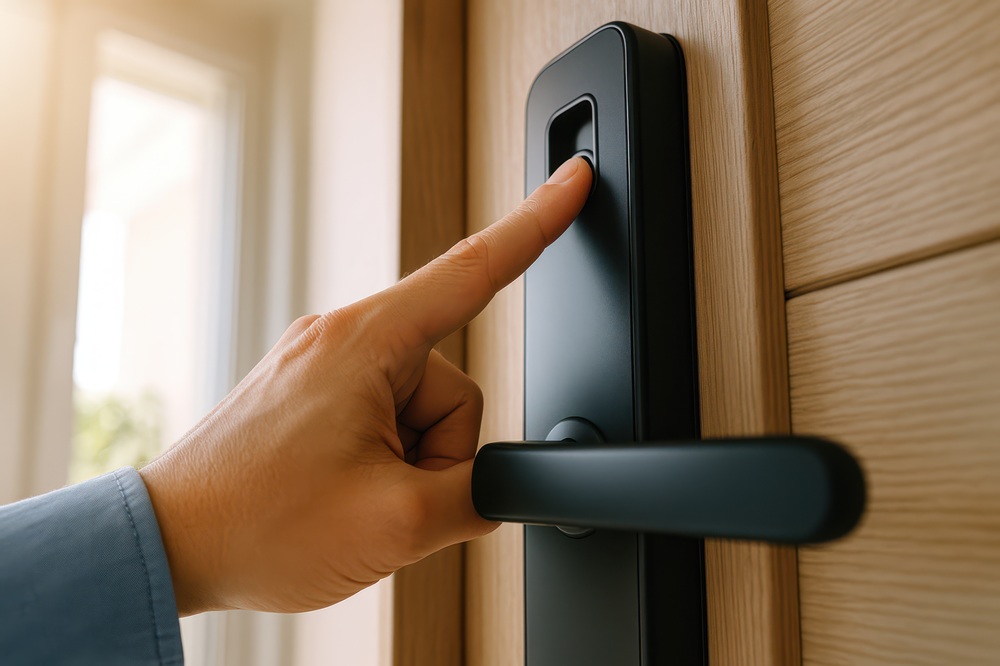
Fingerprint (optional)
This type of access sounds perfect, but can be inconsistent with dry skin, cold weather, and some mobility issues. If you choose fingerprint access, keep the keypad available too.
Keep a physical key as backup
Even with keyless entry, keep a backup key. Make sure to store it intentionally, not outside in a predictable spot.
How to set up caregiver access without creating new problems
A smart lock is only “smart” if the rules are clear.
Use named codes, not shared codes
Do not give everyone the same code. Give each helper their own.
- “Aunt Lisa”
- “Caregiver AM”
- “Neighbor Check-In”
If you ever need to remove access, you do it once, and you know exactly whose code it was.
Use time-limited codes when possible
If your lock allows schedules, use them.
- Weekdays 9 a.m. to 1 p.m.
- Two weeks after a hospital discharge
- A weekend-only code for a neighbor checking mail
This keeps the system tidy and reduces worry.
Turn on entry notifications only if they help
Alerts should reduce stress, not create it.
A good use is knowing the caregiver arrived. Another is having a basic entry log if schedules are complex. A bad use is checking it all day. Finding the right entryway for someone in your life who may be aging is important. If you are interested in understanding how different entry ways into the home can impact caregivers, here is a helpful guide.
Details people forget until it becomes a daily issue
Keypad height and reach
Make sure the keypad is comfortable to reach and easy to see. If someone has to stretch or bend awkwardly, they will avoid using it.
Night visibility
Night access is when the whole plan gets tested.
- Backlit keypad
- Porch lighting that actually lights the lock area
- House numbers that can be seen from the street
A simple “what if” plan
Write this down and keep it inside the home:
- Who to call if the code fails
- Where the backup key is kept
- What to do if the battery dies
The goal is fewer emergencies, not a new kind of emergency.
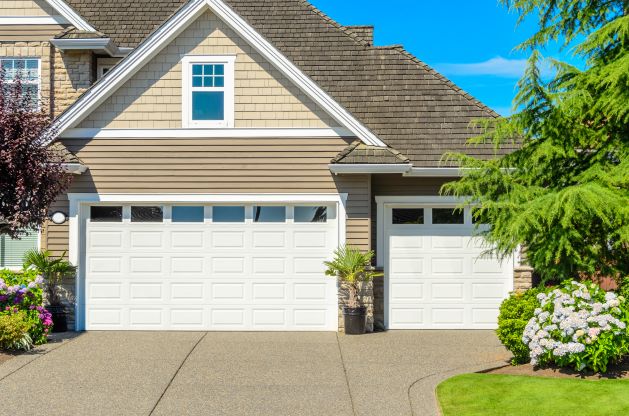
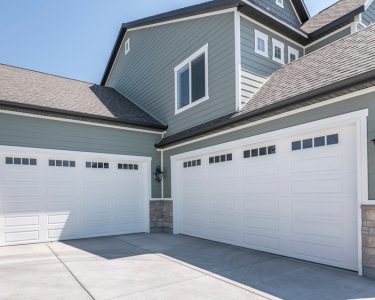
Do not forget the other door people actually use: the garage
In many homes, the garage becomes the real front door. Groceries, walkers, deliveries, caregivers carrying supplies, they all funnel through the same door.
Learn to spot the issues early, knowing what common garage door problems look like will help before it becomes a headache.
When keyless entry helps, but support needs to be broader
A lock upgrade can remove friction at the door. It does not solve everything that happens after someone walks in.
If you’ve noticed that small tasks are slipping, meals skipped, laundry piling up, or appointments turning into a scramble, the issue is often routine support, not effort.
Families typically pair practical home changes with in-home care services, so routines stay consistent. This is so the pressure of caregiving does not land on one sole person.
Keyless entry also helps support stay consistent without playing “key manager.” When access is dependable, help becomes easier to schedule and easier to maintain. If you want a clear picture of what that support can look like day to day, this breakdown of what a caregiver can help with.
FAQ
What is the best keyless entry option for an aging parent?
A keypad lock is the simplest for most homes. A keypad-plus-app lock helps when you need to create, remove, or schedule access codes.
Can I give a caregiver a temporary door code?
Yes. Many smart locks let you create a code for a set time window, like weekday mornings, then remove it without collecting a physical key.
Should everyone share the same smart lock code?
No. Give each helper their own code. It is easier to manage, and you can remove access without changing everything.
What happens if the smart lock battery dies?
Most keypad locks give low-battery warnings. Keep fresh batteries on hand and keep a backup key stored securely as part of the home plan, not hidden outside.
Is a keyless entry safer than hiding a spare key?
Yes. Spare keys are often placed in predictable spots and can be found. A smart lock lets you control access without relying on hiding places.
What if the garage is the main entry point?
Treat it like the front door. If the garage door is unreliable, fix it before you depend on it for caregiver access. This overview of common garage door problems can help you spot early issues.
Key takeaways
Keyless entry removes daily friction and reduces the risk that help get delayed at the door. Choose a lock that is easy to use, then set clear rules with one code per helper. Make nighttime access simple with lighting and a basic backup plan. If routines are slipping even with better access, added in-home support can keep the whole system steady.