

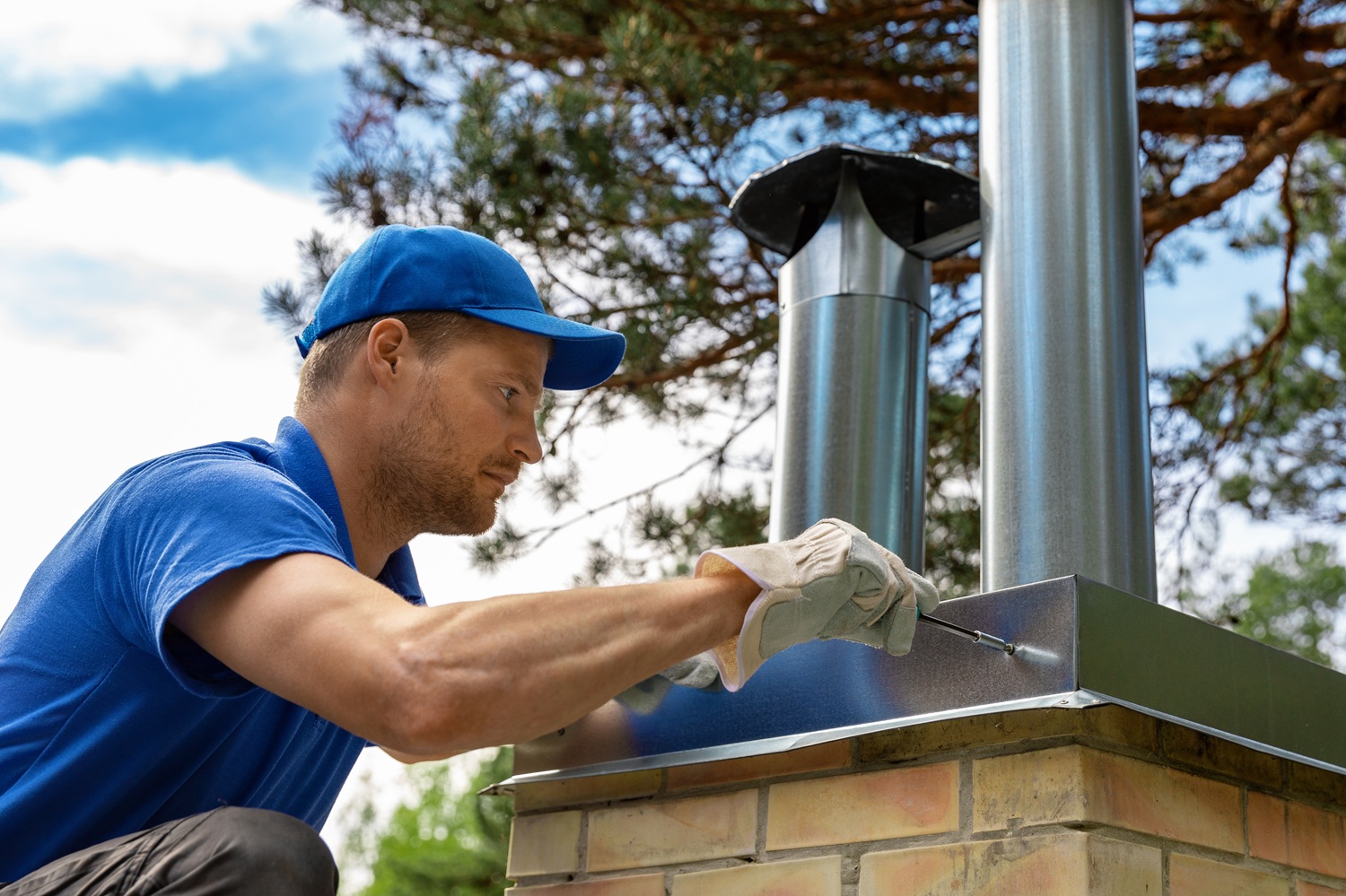
Los Angeles isn’t the most conducive place to thinking about your chimney. It’s probably at the back of your mind until something’s wrong with it.
That’s often how water damage starts.
A chimney can look fine from the ground. But internally, moisture could already be working its way into the brick, mortar, or flashing. By the time you see stains inside, crumbling mortar, or broken masonry outside, the repair is usually bigger than it needed to be.
That’s why catching water problems early is a huge part of outside chimney repair in Los Angeles CA. A cracked crown, missing cap, worn flashing, or weakened mortar joint can all let moisture into the structure. Once that happens, the damage tends to proliferate.
If you know where water gets in and what signs to watch for, you have a much better shot at fixing the problem before it turns into a major repair bill.
Outside Chimney Repair Los Angeles CA: Quick Answer
Most outside chimney repair Los Angeles CA jobs start with one issue: water intrusion.
Water usually gets into an exterior chimney through:
- cracked chimney crowns
- missing or damaged chimney caps
- failed roof flashing
- porous brick and mortar
- open or deteriorated mortar joints
Common warning signs include:
- white staining on the outside of the chimney
- cracked or loose mortar
- rust on metal components
- leaks near the fireplace
- spalling or flaking brick
You need to stop the water gettin in first, then fix whatever masonry or roofing materials were damaged along the way.
How Water Gets Into an Exterior Chimney
An exterior chimney takes a beating. It sits outside the home’s envelope and takes the brunt of the rain, sun, temperature swings, and moisture year after year. That really adds up, even in places like Los Angeles.
Cracks in the chimney crown
The chimney crown is the top surface around the flue. Its job is to push water away from the chimney instead of letting it soak in. When the crown cracks, rain can slip into the structure and move down through the masonry. It’s one of the most common ways chimney water damage starts.
Missing or damaged chimney caps
A chimney cap covers the flue opening and keeps rain from falling straight inside. If it’s compromised, water’s getting straight into the system. Leaves, debris, and animals can also get in, which only makes the situation worse. If you want a closer look at how caps also help keep out pests, this guide on chimney cap animal prevention for a safer home and cleaner air is a useful companion read.
Failed flashing at the roofline
Flashing is the metal seal where the chimney meets the roof. If it pulls loose, corrodes, or was installed poorly, water can get between the chimney and the rest of the roof. A lot of homeowners assume they have a roof leak when the real problem is the chimney flashing.
Porous brick and mortar
Brick and mortar absorb moisture over time. That’s a normal thing in and of itself. But if the chimney’s constantly saturated and never properly protected, that’s an issue. As moisture moves through the masonry, mortar joints weaken, surfaces start breaking down, and repair needs grow.
What Are the Signs of Chimney Water Damage?
Chimney water damage usually doesn’t show up all at once. There will be smaller signs first.
White staining on the outside of the chimney
That chalky white film on brick is often efflorescence. When water moves through the masonry, it’ll leave salt deposits when it evaporates. The deposits themselves aren’t the issue, but the water moving throughout your chimney is.
Cracked or crumbling mortar joints
If mortar joints are cracking, flaking, or falling out, moisture has likely been getting into the masonry for a while. This is where chimney masonry repair often comes into the picture.
Rust on metal chimney parts
Rust on the damper, cap, or other metal components is another clear warning sign. If metal parts inside or around the chimney are rusting, there is a good chance you have moisture where it shouldn’t be.
Water stains near the fireplace
Stains on nearby walls or ceilings are often harbingers of a chimney leak. The source could be the crown. Or the flashing. Whatever the source is, this is usually a sign that the water problem has moved beyond the exterior.
Flaking or spalling brick
When brick starts chipping, peeling, or breaking apart, that is a sign of deeper moisture damage. If that’s the case, your repairs might be beyond just cosmetic.
Why Los Angeles Chimneys Still Develop Water Damage
It doesn’t rain much in Los Angeles. But that doesn’t mean chimneys stay dry enough to avoid damage.
Winter storms expose weak points
A chimney can go months looking fine. Then there’s a huge problem the first time it rains. Once water hits the chimney, cracks, loose flashing, and worn mortar joints can rear their ugly heads.
Coastal moisture adds wear
If you live closer to the coast, morning moisture and marine air can slowly wear down exposed masonry over time. You might not feel it day to day, but it still affects the chimney.
Older chimney components break down
A lot of Los Angeles homes have older chimneys with aging crowns, worn caps, and deteriorating flashing. These parts don’t just fail overnight. They wear down gradually until water finds an opening.
How Flashing, Chimney Caps, and Chimney Crowns Prevent Leaks
If you want to understand chimney leak repair, these are the three components to pay attention to first.
Chimney caps
A chimney cap keeps direct rain out of the flue and helps block debris and animals. It’s one of the easiest and most effective ways to reduce water intrusion.
Chimney crowns
A properly built crown should slope away from the flue and shed water off the top of the chimney. When the crown is cracked or worn, it’s easy for water to get in.
Roof flashing
Flashing protects the seam where the chimney and roof come together. When it fails, water can move into the chimney structure, the roof system, or both. That is why flashing problems are so often tied to outside chimney repair in Los Angeles CA.
If moisture is getting into the system, it is also worth paying attention to overall chimney condition inside the flue. This guide on creosote as the silent threat hiding in your SoCal chimney covers another issue homeowners should not ignore.
When Outside Chimney Repair Becomes Necessary
Prevention is also the easiest fix. But sometimes the damage is already far enough along that repair is unavoidable.
That may include:
- chimney crown repair or rebuilding
- chimney cap replacement
- flashing repair or replacement
- tuckpointing for open mortar joints
- brick replacement for spalling masonry
- waterproofing after repairs are complete
The right repair depends on where the water is getting in and how long it has been happening.
That’s why a good inspection matters. You don’t want to patch visible damage without addressing the underlying cause. You can read more about outside chimney repair in Los Angeles and why you shouldn’t wait here.
How to Prevent Chimney Water Damage Before It Starts
The best repair strategy is simple. Just don’t let water in in the first place.
Schedule regular chimney inspections
A yearly inspection can catch cracks, flashing gaps, worn mortar, and cap problems before they turn into major repairs.
Keep the chimney capped
If the chimney does not have a cap, install one. If it already has one, make sure it’s still in good shape and properly secured.
Repair crown cracks early
Small crown cracks are much easier to deal with than the masonry damage they can lead to later.
Check the flashing after roofing work
If your roof has been repaired or replaced, check the chimney flashing too. It could have been disturbed during roof work without being fully reset.
Waterproof masonry when it makes sense
A breathable waterproofing treatment can help reduce water absorption while still allowing trapped moisture to escape.
Key Takeaways for Los Angeles Homeowners
- Water intrusion is one of the most common causes of exterior chimney damage.
- Chimney crowns, caps, flashing, and mortar joints all help keep water out.
- White staining, rust, loose mortar, and spalling brick are early warning signs.
- Many chimney leaks start outside before homeowners notice interior damage.
- The most effective chimney leak repair starts by fixing the water entry point first.
- Preventive maintenance is usually much cheaper than major chimney masonry repair.
Protecting Your Chimney From Water Damage
Exterior chimneys don’t need constant attention, but they do need occasional maintenance.
In Los Angeles, it’s easy to assume water damage is not a major concern because the climate is usually dry. The problem is that chimney damage tends to build slowly. Then one season later, you are dealing with a much larger repair than expected.
If you catch the early signs and deal with issues like crown cracks, failed flashing, missing caps, or weak mortar before they spread, the repair is usually more manageable.
That is really the point of timely outside chimney repair. It’s not just about fixing visible damage. It’s about stopping water before it gets deep enough into the structure to create bigger problems.
If your home has a factory-built system instead of a traditional masonry one, it also helps to understand what a prefabricated chimney is and how it works