
Not a chimney expert? Wouldn’t know the difference between brick, stone, concrete, or clay if one hit you over the head? If that sounds like you, it’s common and understandable to wonder about your prefabricated chimney. Learning it’s not meant to last as long as a traditional masonry chimney might surprise you.
Prefab chimneys are built in factories as a unit to be added to a home, not as part of the home as it’s built. They have a more limited service life by design. Thus, understanding what that lifespan usually looks like and what factors influence it helps homeowners like you plan ahead, avoid safety concerns, and make prudent, proactive decisions. Homeowners who want a deeper overview of what a prefabricated chimney is and how it works often find it clarifies why these systems age differently than masonry chimneys.
Let’s explore how long a prefabricated chimney is really supposed to last, why there’s such variation in lifespans, and how you can get the most out of your chimney system.
Quick Answer: Chimney Lifespan
Most prefabricated chimneys last 10-15 years in normal circumstances. Some can last 20-30 years with the proper maintenance and routine inspections. That lifespan depends heavily on material quality, heat exposure, moisture intrusion, frequency of use, and how well you maintain the system over time.
What Is a Prefabricated Chimney?
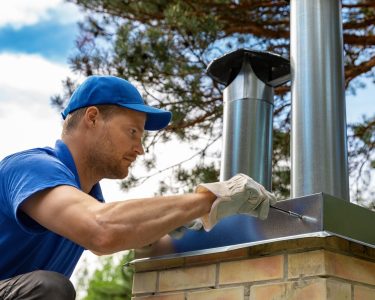
A prefabricated chimney, sometimes referred to as a factory-built chimney or metal chimney system, is manufactured off-site and assembled during installation. They’re designed for the same purpose as a traditional masonry chimney: to safely vent smoke, heat, and combustion gases from fireplaces, wood stoves, or heating appliances.
They rely on insulated metal components inside a framed chimney chase. As designed, they’re faster to install and place a lower structural burden on the home.
If you look at some homes built over the last few decades, you’ll likely see a lot of prefabricated chimneys. Recent builds love them for these advantages.
How Long Do These Chimney Systems Usually Last?
Manufacturers engineer most factory-built systems for a life expectation of 10-15 years. That’s based on average residential use, including moderate heat exposure and standard maintenance practices.
Of course, every system experiences different circumstances. Some are exposed to corrosion. Others experience moisture damage or installation issues. Those elements certainly shorten a chimney’s lifespan. But without them, prefab chimneys can last for decades with consistent maintenance.
If there’s any one thing you should take away from this post, it’s that these chimneys’ lifespan is not fixed. Even two identical systems in different homes can age very differently, depending on use patterns and environmental conditions.
Typical Chimney Lifespan Range
| Condition | Expected Lifespan |
| Minimal maintenance | 8–12 years |
| Average maintenance | 10–15 years |
| Well maintained, light use | 20+ years |
| Excellent care, low exposure | Up to 30 years |
What Factors Affect Chimney System Lifespan?
Several overlapping factors determine how long a metal chimney system lasts.
Installation quality is one of the most important. Improper clearances, incorrect assembly, or poor alignment can set the system up for failure.
Material quality also plays a role. Thinner metals and lower-grade insulation are more vulnerable to heat stress and corrosion over time.
Heat exposure matters as well. Frequent fires, high operating temperatures, or improper fuel use can speed up internal wear.
Moisture intrusion is one of the most damaging influences. Water entering the chimney chase can lead to rust, insulation breakdown, and hidden structural deterioration. Seasonal exposure can make this worse, which is why general exterior upkeep, such as winterizing the exterior of your home, plays a role in chimney longevity.
Common Signs a Chimney System Is Wearing Out
You’ll be able to see some signs of deterioration. Others you might not, since they develop inside the system. Pay attention to your chimney system for indications of the following:
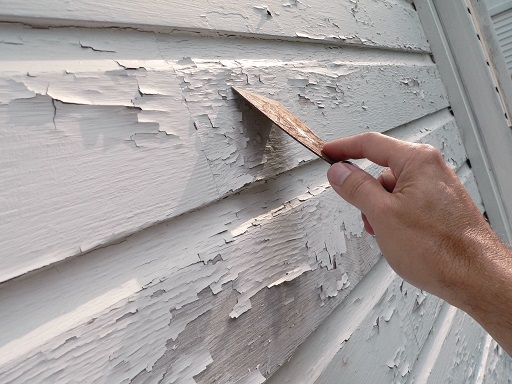
- Rust or corrosion on exposed metal sections
- Warped or buckled components
- Loose or damaged chimney caps
- Water stains around ceilings or the chimney chase
- Strong odors when the fireplace is operating
- Unusual soot buildup or discoloration
Remember, a lot of these issues happen internally. Just because you can’t see damage, don’t immediately assume your system’s safe to use.
Many homeowners delay inspections because of common misconceptions about chimney condition and safety, which is why addressing chimney inspection myths can help remove uncertainty and encourage timely evaluations.
Can You Extend the Life of a Chimney System?
No prefabricated system will last forever. But taking care of your chimney can significantly extend its usable life.
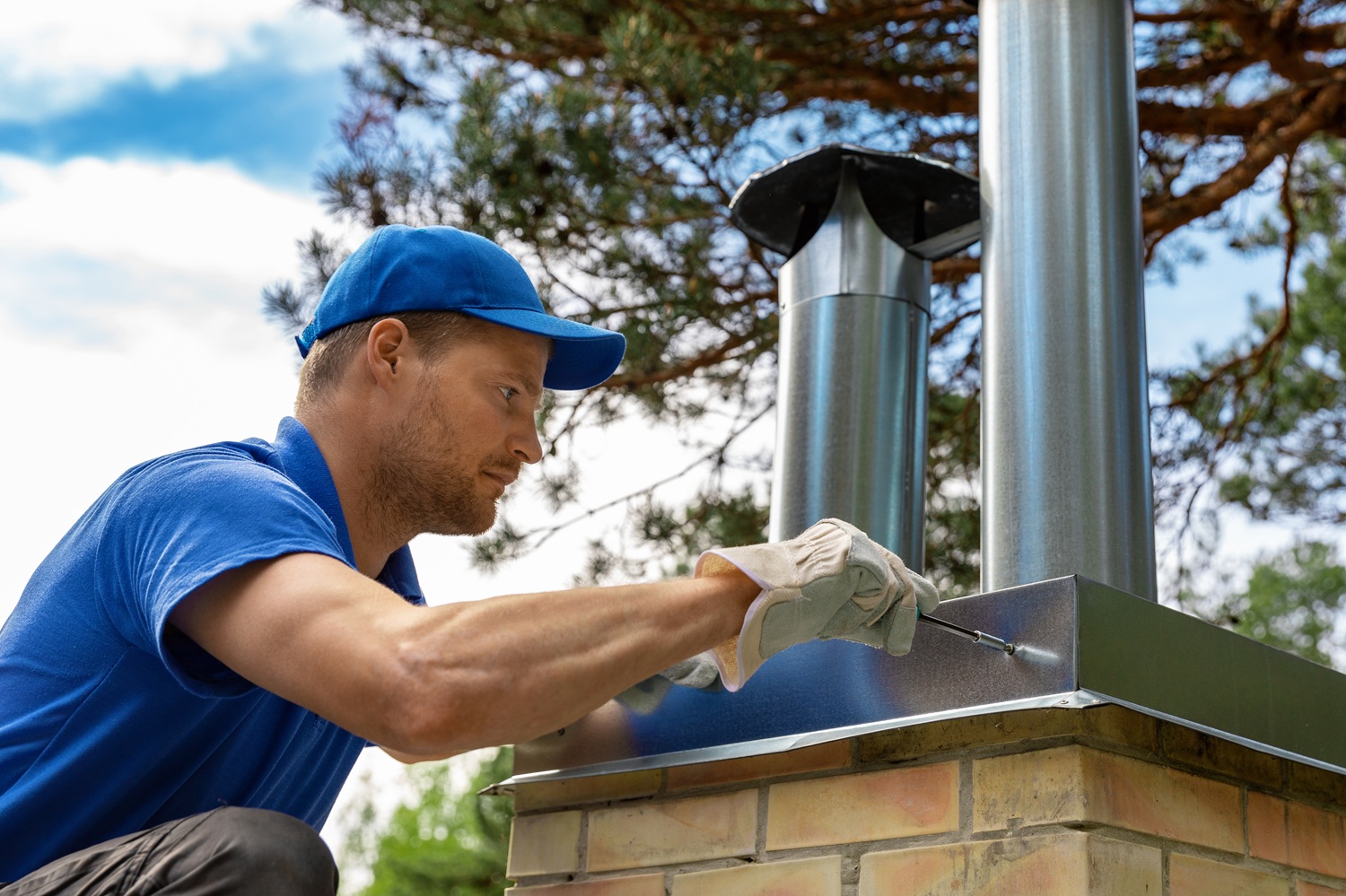
Routine inspections help identify small issues early, before corrosion or heat damage spreads. You can also fix minor problems like moisture intrusion or loose components when you catch them in time.
Maintaining the chimney cap and flashing is especially important. This is what protects the system from water exposure. Following manufacturer guidelines for fuel type and usage also reduces unnecessary stress on internal components.
For homeowners weighing the cost versus benefit of ongoing maintenance, understanding whether a chimney inspection is worth it often clarifies why inspections play such a critical role in extending a system’s usable life.
Factory-Built vs Masonry Chimneys: Lifespan Comparison
Understanding how a prefabricated chimney compares to a masonry chimney helps set realistic expectations.
| Feature | Factory-Built System | Masonry Chimney |
| Average lifespan | 10–15 years | 50+ years |
| Installation time | Short | Long |
| Structural weight | Light | Heavy |
| Repair approach | Often replacement | Often repairable |
These systems are built for different priorities. Efficiency and ease of installation are always prioritized over longevity.
When Does Replacement Become Necessary?
Replacement is often recommended once a factory-built system shows signs of internal deterioration or reaches the end of its expected service life.
Many internal components are not designed to be repaired individually. Continuing to use a deteriorating system can increase the risk of fire hazards or carbon monoxide exposure.
Often, full replacement is safer and more cost-effective than attempting to extend the life of a system beyond its design limits.
How Can You Tell If Your Prefabricated Chimney Needs Replacement?
The signs are often subtle at first. Look for recurring moisture issues, visible corrosion or warping, or unexplained odors when using the system.
Another common indicator is age combined with inspection findings. If a system is nearing the end of its expected lifespan and an inspection reveals internal deterioration, replacement is often the safest option. Because much of the damage occurs inside the chimney system, a professional evaluation is usually the most reliable way to confirm whether replacement is necessary.
Why Inspections Matter
Regular inspections provide clarity about a system’s true condition. Age alone is not a reliable indicator of safety.
Professional evaluations assess internal components, clearances, and insulation that homeowners cannot see. Educational resources explaining how prefabricated chimneys are constructed and evaluated can also help homeowners better understand inspection findings.
Inspections reduce guesswork and support informed, proactive decision-making.
Is a Prefabricated Chimney Meant to Be Permanent?
A prefabricated chimney is designed to be safe and efficient. But, they’re not intended to be permanent structures. Unlike masonry chimneys that can last for generations with repairs, factory-built systems are manufactured with a defined service life in mind. Understanding this difference helps homeowners view replacement as a normal part of long-term home maintenance rather than an unexpected failure.
Key Takeaways
- Most factory-built chimney systems last 10 to 15 years
- Proper care can extend lifespan to 20 to 30 years
- Moisture and heat exposure are major risk factors
- Many issues are not visible without inspection
- Replacement is often safer than long-term repair
Setting Realistic Expectations as a Homeowner
Manufacturers design every prefabricated chimney to be safe and efficient, not permanent. Understanding realistic lifespan expectations helps homeowners plan maintenance, budget for future replacement, and avoid unnecessary safety risks.
With regular inspections and proper care, a prefabricated chimney can provide reliable service for many years. Making informed decisions early leads to fewer surprises and better long-term outcomes for both safety and peace of mind.