
SoCal homeowners harbor a unique relationship with their fireplaces. It’s warm all year, so without the Northeast’s snow or the Pacific Northwest’s moisture, there’s not much of a practical reason to use your fireplace.
Homeowners in Los Angeles, Orange County, or the Inland Empire, tend to have fires as a “special occasion” event. They might only use it during that one week in January when the temperature dips into the 40s or for a cozy aesthetic during a holiday gathering.
That’s all well and good, but intermittent use like this fosters that “out of sight, out of mind” mentality, and that can be dangerous. Because we don’t use our chimneys every day, we often neglect the essential chimney maintenance required to keep them safe.
The most dangerous chimney hazard isn’t a family of raccoons or a blockage of leaves. It’s a buildup of a substance called creosote. It’s the silent killer because most SoCal homeowners don’t know what it is or that they have it until it’s too late.
Quick Answer: Why Is Creosote Dangerous in Southern California Chimneys?
Creosote is a highly flammable, tar-like residue that forms inside your chimney when wood smoke cools and condenses. Without routine chimney cleaning and an annual chimney inspection, creosote buildup can ignite and cause a dangerous chimney fire. Even occasional fireplace use in Southern California can lead to buildup if proper fireplace safety habits are not followed.
What Is Creosote and Why Does It Build Up?
Understanding why your chimney needs regular attention requires understanding the chemistry behind fires. Combustion is a complex chemical reaction between wood and oxygen.
When wood burns, it doesn’t just turn into heat and light. It produces water vapor, carbon dioxide, ash, and a variety of organic gases. Those gases hold most of the wood’s total heat value.
When they’re not burned off in the firebox, those gases rise into the rest of the chimney. The further they get from the heat of the fire, the cooler they become. As they cool, the gases condense into a residue called creosote.
It’s an incredibly flammable, tar-like substance that sticks to the interior walls of your chimney. Layers and layers of it will build up over time, and if the buildup gets thick enough, it becomes a powder keg just waiting for a spark.
The invisibility is the biggest danger here. To an untrained eye, your chimney might look fine. But the creosote tends to lurk further up the chimney, where it’s much more difficult to spot.
If your home has a factory-built system instead of traditional masonry, understanding what a prefabricated chimney is and how it works can also help you recognize how creosote buildup affects different chimney designs.
Why Wet Wood and Slow Fires Cause Faster Creosote Buildup in Southern California
There are two SoCal-specific habits conducive to creosote creation. Burning green wood, and making fires last as long as possible.
Why Burning Wet Firewood Is a Major Chimney Fire Risk
Many residents buy firewood from local grocery stores or roadside stands without knowing if it has been properly “seasoned.”
Seasoned wood is wood that has been cut and allowed to air-dry for at least six months to a year. Wood that hasn’t been air-dried like that is sometimes called “green” wood. When green wood burns, most of the fire’s energy goes toward vaporizing the moisture inside the wood.
There’s only so much heat to go around, and that heat used to vaporize should be warming your home and keeping your flue hot. When it’s not, it’s contributing more to a cool, smoky fire; the perfect environment for creosote to condense.
Listen for hissing or sizzling when you’re burning wood. That’s a sign you’re actively coating your chimney in creosote.
Why Smoldering Fires Create Dangerous Creosote Deposits
Homeowners often try to prolong their fire by closing the damper or reducing the airflow to create a slow, smoldering burn. This’ll save you a few logs, but also contributes to creosote. A slow fire isn’t generating enough heat to push those combustion gases out of the chimney.
That gives them more time to cool down and settle stuck to the flue walls. Over time, this buildup can shorten the life of certain systems, which is why it’s helpful to understand how long a prefabricated chimney is supposed to last if your home has a factory-built setup.
Make sure your fires are burning briskly.
The 250°F Rule: How Proper Flue Temperature Prevents Chimney Fires
Chimney cleaning isn’t the only component of chimney maintenance. You also need to pay attention to how you burn.
The fire safety word designates 250°F. as the magic number. As long as the temperature’s at least 250 degrees Fahrenheit, the the creosote gases stay gases until they’re safely out of your chimney. It’s hot enough for them to avoid condensating into liquid tar on your chimney walls.
But how do you track this? Many experienced wood burners use stovepipe thermometers:
- Magnetic Thermometers: These stick to the exterior of a single-wall chimney pipe and give you a reading based on the pipe’s surface temperature.
- Probe Thermometers: These feature a sensor that measures the temperature in the center of the stove pipe, which is ideal for double-wall pipes where surface temperature isn’t accurate.
Monitoring your heat ensures you aren’t “over-firing” (which can damage the chimney) or “under-firing” (which creates creosote).
Addressing buildup before peak winter demand is also wise. Many homeowners plan maintenance around the best time of year for chimney repair in Los Angeles to avoid scheduling delays.
How to Tell If You’re Experiencing a Chimney Fire
The reason for the huge emphasis on chimney fire prevention is that once a chimney fire starts, it is incredibly difficult to control. Creosote burns very intensely, at temperatures high enough to crack masonry or even melt metal.
You need to know the warning signs of a chimney fire:
- A Roaring Noise: Many homeowners describe the sound of a chimney fire as a “freight train” or a deep, low-frequency roaring coming from within the walls.
- Visual Cues: Intense flames and a shower of sparks shooting from the top of the chimney are clear indicators.
- Intense Heat: You may feel an unusual amount of heat radiating from the chimney connector or the walls surrounding the flue.
If you suspect a chimney fire, call your local fire department immediately.
Close all openings and draft controls on the stove to starve the fire of oxygen, and if you have a multi-purpose dry chemical extinguisher, discharge it into the firebox.
Never throw water into a hot chimney, as the thermal shock can cause a masonry flue to explode or a metal flue to warp.
Why SoCal Homes Need Annual Chimney Inspections
The geography of Southern California presents unique challenges for chimney maintenance.
Many older structures might lack modern safety features, or develop cracks from the frequent earthquakes.
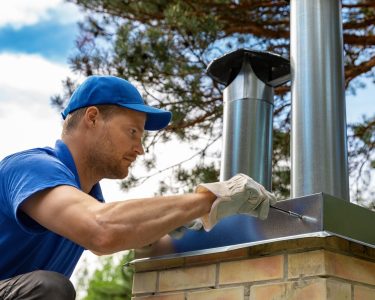
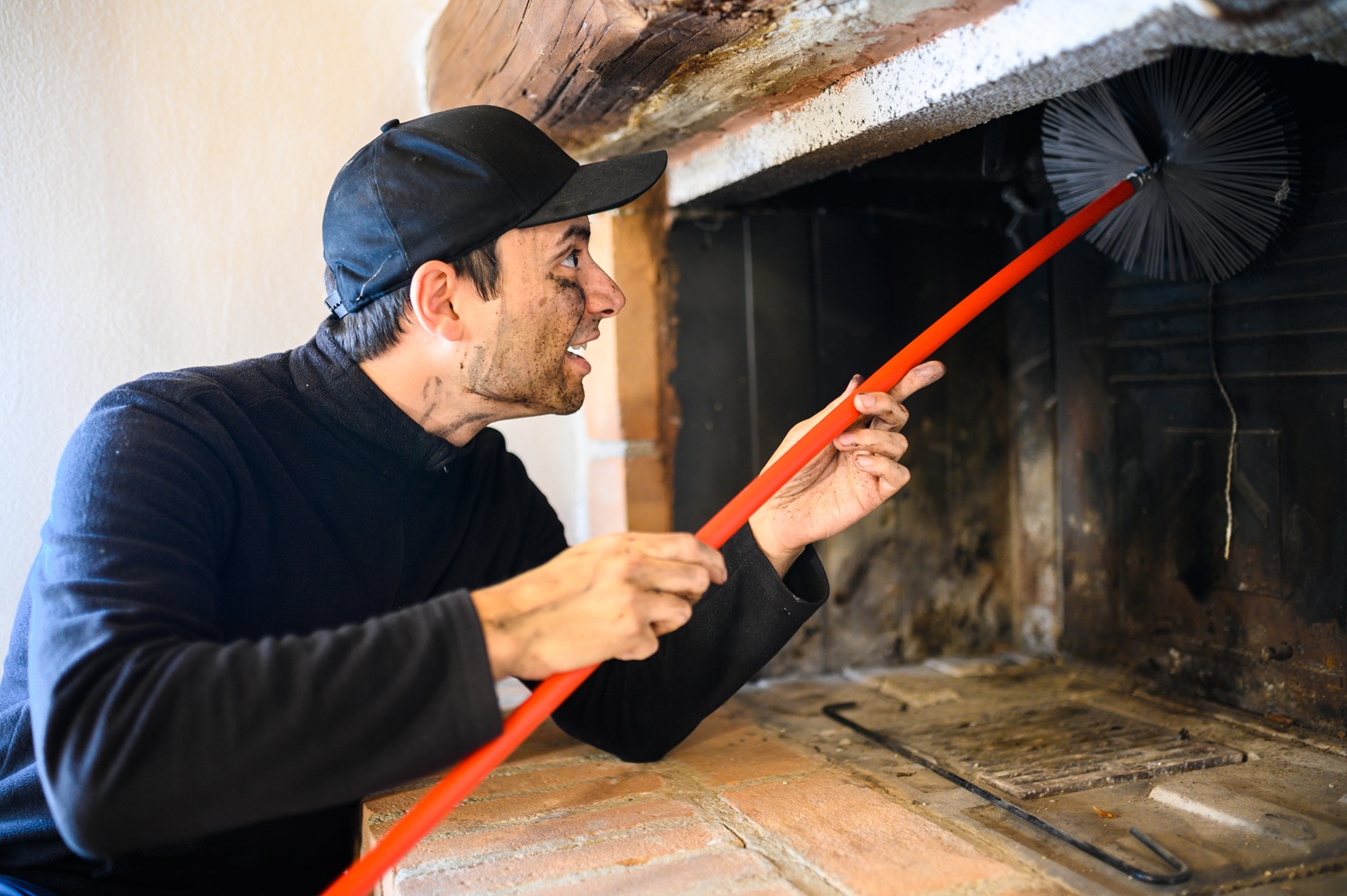
A professional inspection or chimney sweep is the only way to identify structural issues that could turn a small fire into a house fire. Most professionals recommend an annual chimney inspection, even for fireplaces used only occasionally in Southern California.
If you’re unsure whether skipping an inspection is risky, reviewing whether a chimney inspection is worth it can clarify the long-term safety benefits.
During an annual checkup, a technician should look for:
- Cracked Flue Liners: The flue is the duct (often made of terracotta or stainless steel) that channels exhaust out of the home. Any crack allows heat to escape into the wooden framing of your house.
- Obstructions: In the SoCal climate, bird nests (like those of the mourning dove) or other small critters often lodge themselves in chimneys during the off-season.
- Component Integrity: A pro will check the damper (the door that separates the firebox from the flue), the smoke shelf (which blocks rain and soot), and the spark arrester (the metal screen that prevents burning ash from escaping onto your roof).
In the Greater Los Angeles area, a camera inspection is often recommended to see the upper reaches of the chimney where manual inspection is impossible.
Daily and Seasonal Chimney Safety Tips for SoCal Homeowners
To keep your home a sanctuary, not a hazard, follow these daily and seasonal habits:
- Season Your Wood: Cut and store wood in a dry place well before the winter months.
- Manage Your Ash: Store ashes in a non-combustible metal container with a tight lid, placed on a non-combustible surface away from the house.
- Install Detectors: Equip your home with smoke detectors and carbon monoxide (CO) detectors. Because CO is a byproduct of combustion, having a detector on every level of the home, especially near bedrooms, is vital.
- Supervise the Area: Keep children and flammable materials like rugs or draperies away from the high-temperature surfaces of the stove or fireplace.
Key Takeaways: Creosote Safety Essentials for Southern California Homeowners
- Creosote forms when wood smoke cools and condenses inside the chimney
- Burning wet wood and slow, smoldering fires increase creosote buildup
- Keeping flue temperatures above 250°F helps prevent condensation
- Chimney fires burn extremely hot and can cause structural damage
- Annual chimney cleaning and inspection are recommended, even for occasional fireplace use
- Safe burning habits and routine maintenance reduce fire risk
Protect Your SoCal Home from the Hidden Danger of Creosote
Creosote is a patient threat. It builds up slowly, silently, and out of view, waiting for the one night you decide to build a particularly hot fire to ignite.
But it’s also a preventable threat.
By understanding the science of combustion, burning only seasoned wood, and committing to an annual professional chimney maintenance schedule, you can enjoy the warmth of your fireplace with total peace of mind.
If you haven’t had your chimney inspected in over a year, don’t wait for the first cold snap of the season. Contact a specialist to ensure your flue is clear and your home is protected.
Knowledge is your best defense against the silent threat hiding in your chimney.